Mailer & Shipping Boxes
Corrugated Mailer Box
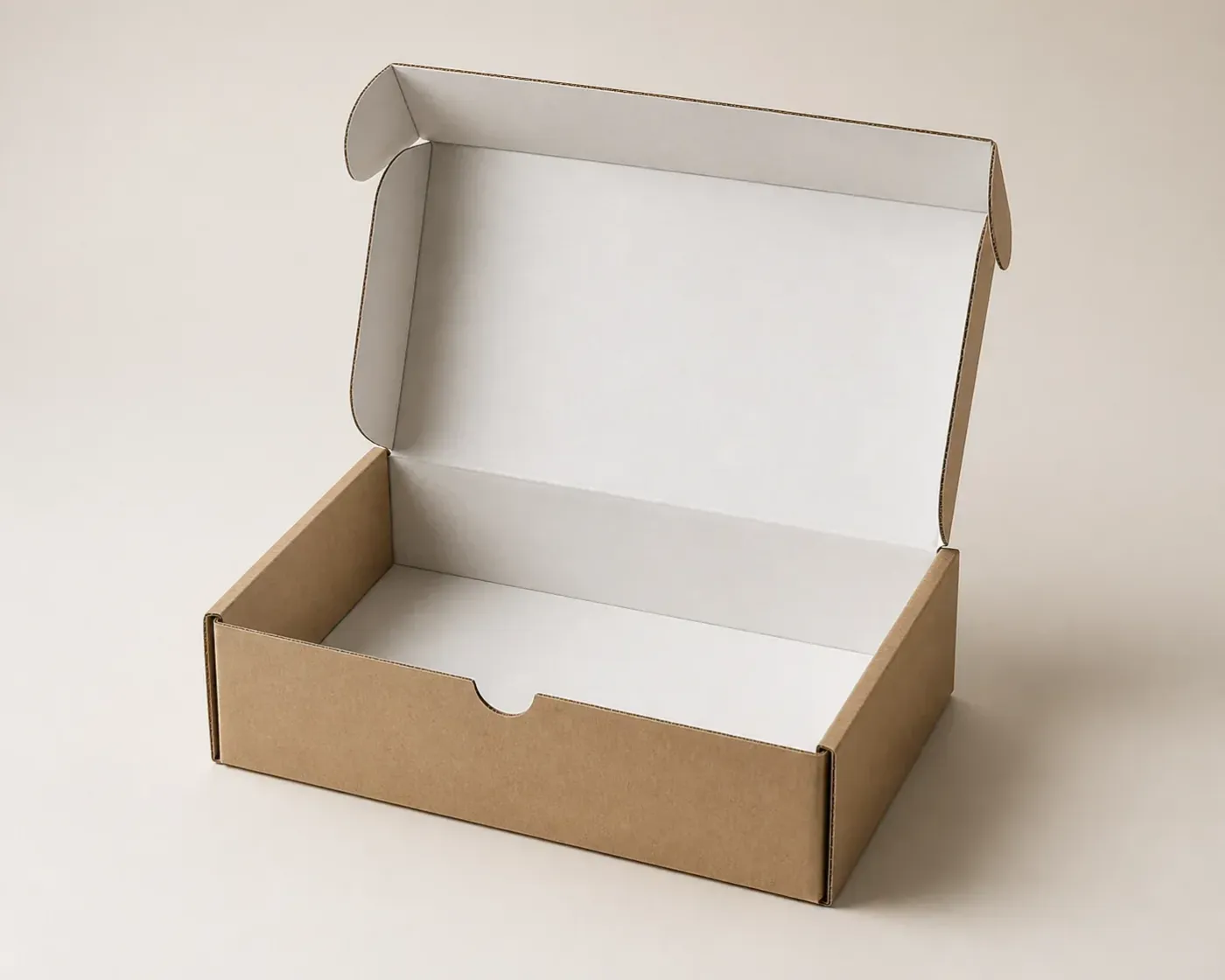
A one-piece corrugated mailer built around product fit, folded side protection, and a presentation-ready opening for e-commerce orders, subscriptions, and launch kits.
Request a Quote
Size Guides
Subscription box dimensions for mini, standard and large monthly boxes, with a size chart, sizing method, insert tips and custom options.
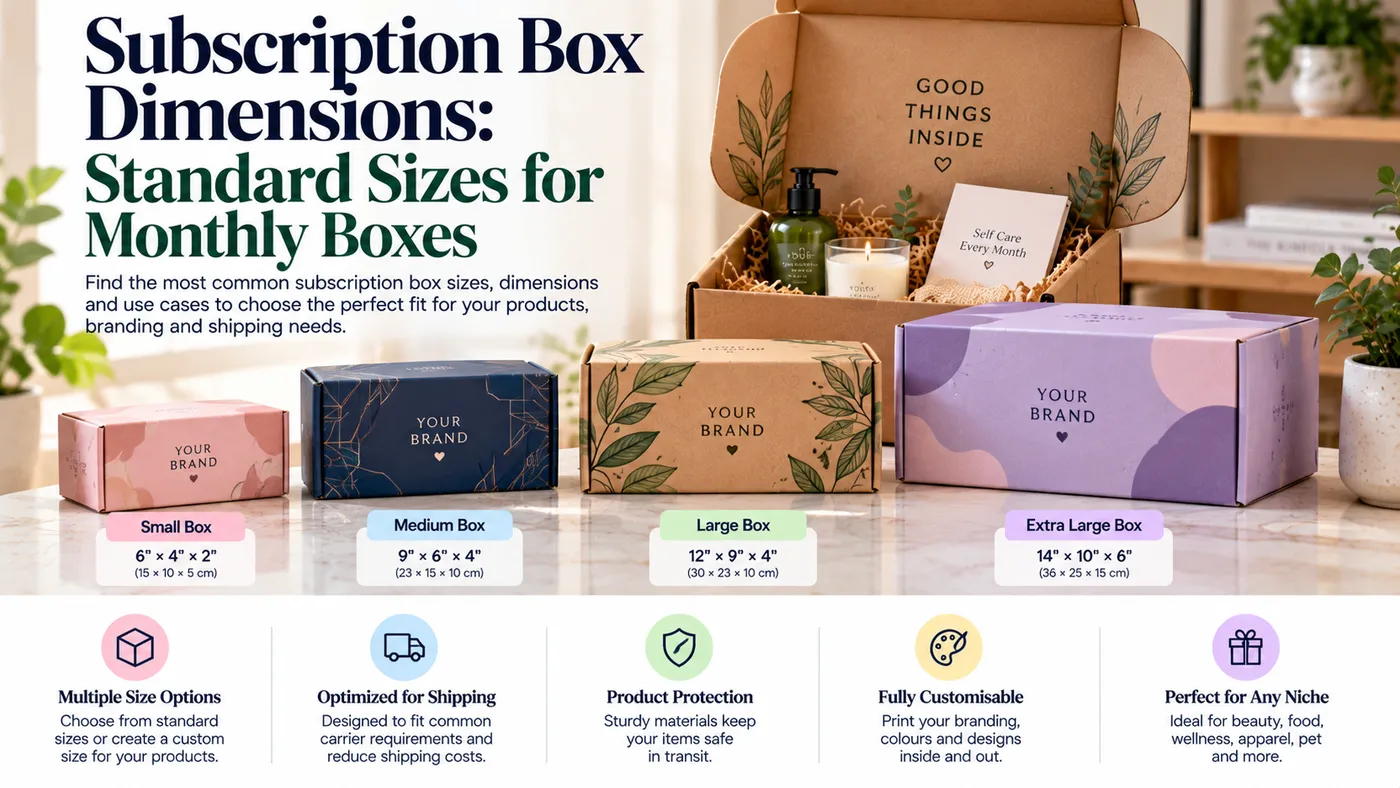
Quick answer: The most common subscription box dimensions are about 12" × 9" × 4", which suits beauty, snack, and lifestyle boxes. Mini boxes run near 9" × 6" × 3". Large boxes for books, apparel, or bottles run 14" × 10" × 6" and up. Suppliers vary, so treat each figure as a typical range.
*Last updated: November 2026.*
Subscription box dimensions have one odd problem. The contents change every month, but the box can't. This guide gives a size chart and a way to pick your size. It also covers fit and shipping details.
These are typical interior sizes for mailer-style boxes, written length × width × height. Suppliers disagree by a fraction of an inch.
Category | Typical L × W × H (inches) | Dimensions (cm) | Example subscription type |
|---|---|---|---|
Mini | 6 × 4 × 2 to 9 × 6 × 3 | 15 × 10 × 5 to 23 × 15 × 8 | Samples, single product, jewelry, tea |
Standard | 11 × 8 × 3 to 13 × 10 × 5 | 28 × 20 × 8 to 33 × 25 × 13 | Beauty, snacks, self-care, pet treats |
Large | 14 × 10 × 4 to 16 × 12 × 8 | 36 × 25 × 10 to 41 × 30 × 20 | Books, apparel, wine accessories, craft kits |
Key takeaway: Pick the size for your busiest month, then fill the gaps in the quiet ones.
A one-off product has one shape. A monthly box has twelve. One month it's a candle and a mug. The next it's a paperback and three sachets.
That's why subscription box dimensions are a bet. Too small, and a bulky month won't close. Too big, and a light month rattles around. Customers feel that. A half-empty box looks cheap, even when the contents aren't.
The box also sets your shipping cost for every order. A few extra inches of height can push a parcel into a higher bracket. So the size you choose in month one affects your margins for a year.
I've seen brands pick a box from the product shot alone. It rarely survives the first themed month.
Start with your fullest month, not your average one. Lay every item out on a table in the way you'd pack it. Then measure the stack.
Here's a rule of thumb that works for most brands:
1. Measure the longest and widest item or group of items. 2. Measure the stack height, with tissue and a card included. 3. Add about 1 inch to each measurement as a buffer. 4. Round up to the nearest standard size.
A stack of 10" × 7" × 2.5" becomes roughly 11" × 8" × 3.5". That points you to an 11 × 8 × 4 box. It's a starting point, not a spec, so test it with a real pack.
Check whether a listing shows inside or outside size. One retailer lists a 12 × 9 × 4 box by outside size. Its inside is near 11.6 × 8.9 × 3.9. Board thickness eats the difference. Carriers bill on the outside.
If your months swing wildly, don't chase one perfect size. Choose two sizes that cover most months. Use inserts to take up slack in the lighter ones.
Fill is what turns a box into an unboxing. It also keeps a jar from meeting a bottle in transit.
You've got three common options. Paper void fill is cheap and recyclable. Tissue looks good but offers no protection. A die-cut insert holds each item in place. Our box insert types guide shows the main styles.
Inserts cost more up front. They also cut breakage and let you use a smaller box. For a deeper look, read our custom packaging inserts guide.
My view: if your box holds anything breakable, use an insert. Loose paper fill is fine for soft goods only.
One trade-off matters here. An insert takes up room. A 1/4" wall of board on each side shrinks your usable space. Size your box with the insert in mind.
A few Easy Box Packaging products that fit what this article covers.
Mailer & Shipping Boxes
A one-piece corrugated mailer built around product fit, folded side protection, and a presentation-ready opening for e-commerce orders, subscriptions, and launch kits.
Request a Quote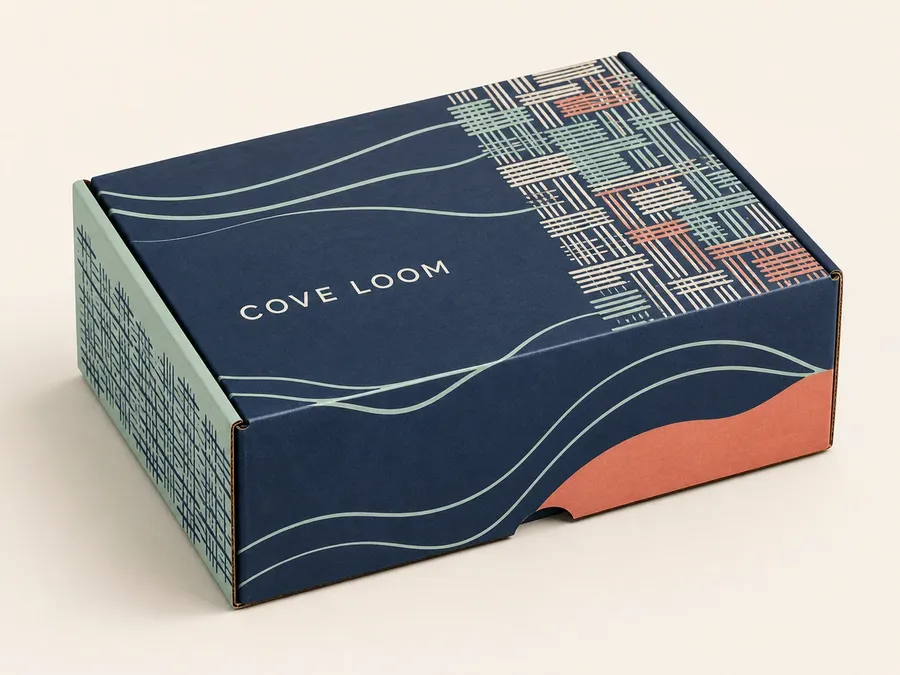
Mailer & Shipping Boxes
A custom-printed corrugated mailer designed for repeat subscription shipments, consistent inside-lid reveals, insert planning, and efficient recurring fulfillment.
Request a Quote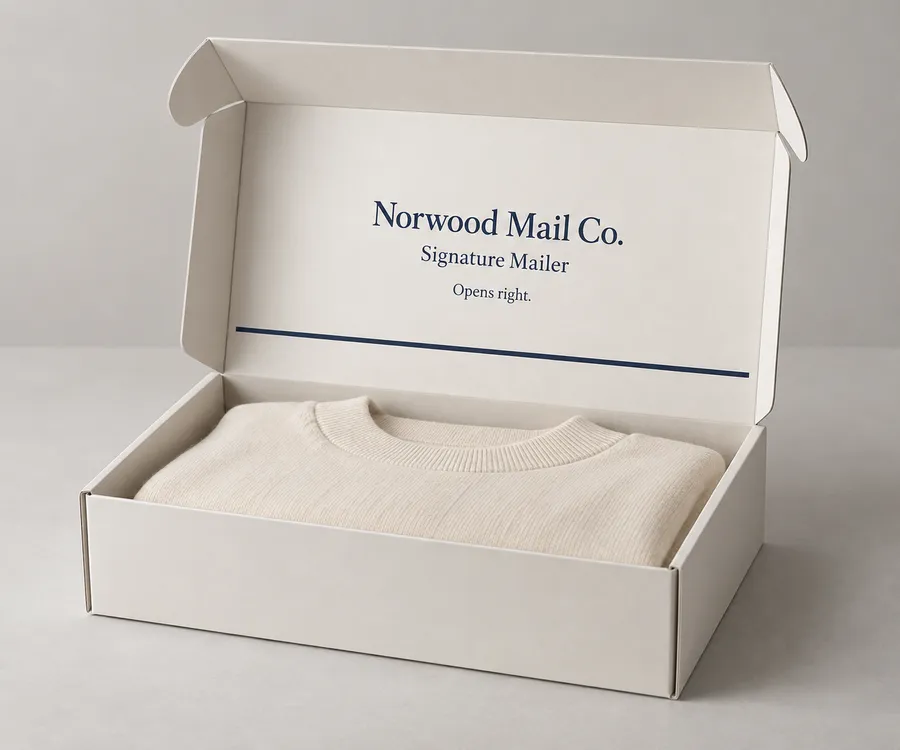
Mailer Boxes
Rigid mailer boxes give shipped products a more structured paperboard presentation than a flexible mailer, with a fold-over closure, planned internal clearance, and printed surfaces shaped around the order. Choose the material direction, opening style, interior support, and finish with the packed product and shipping route in view.
Request a Quote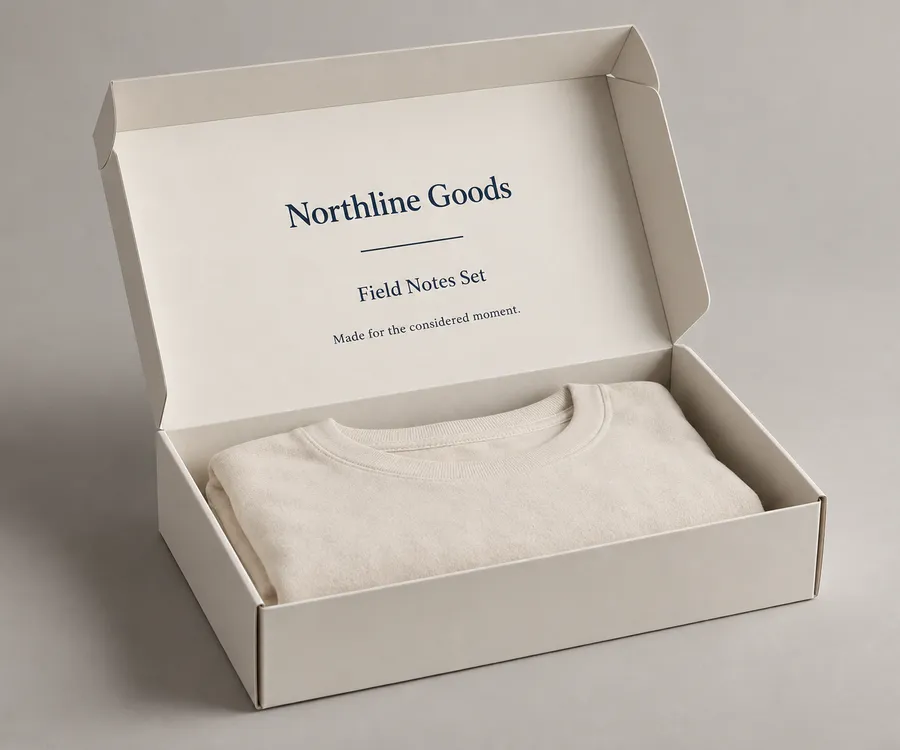
Rigid Boxes
Custom rigid mailers give shipped products a defined paperboard structure and a deliberate opening sequence. The finished direction is built around the packed product, then refined through the closure, internal support, printed panels, finish, and shipping route so the mailer is neither loose around its contents nor overbuilt for the order.
Request a Quote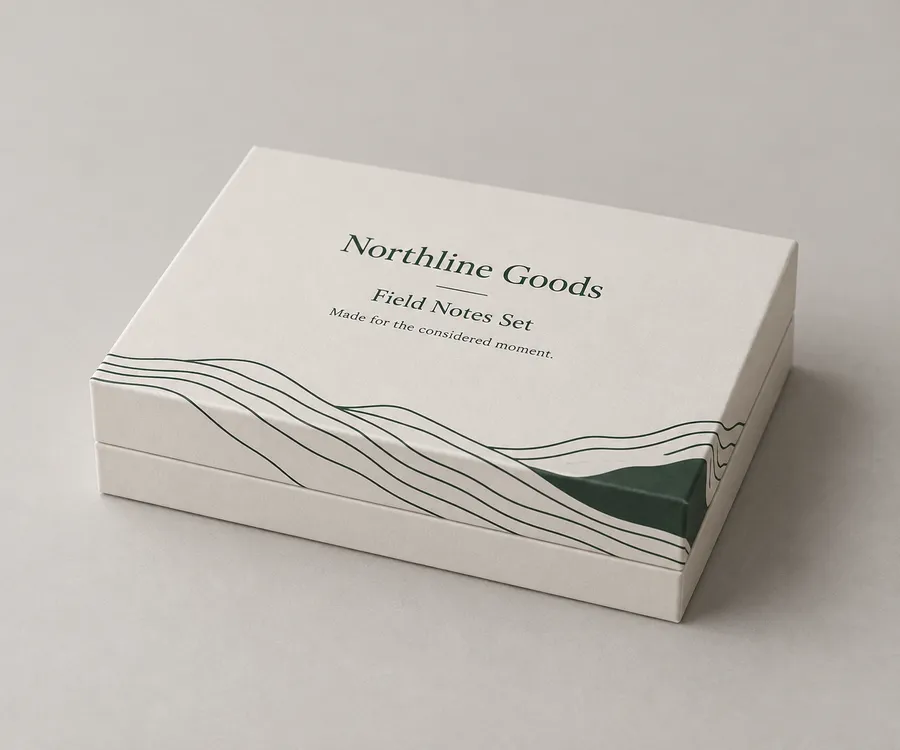
Rigid Boxes
Small rigid boxes give compact products a firm base-and-lid presentation without forcing a nominal stock size. The finished footprint is scoped around the packed item's length, width, height, weight, insert needs, opening sequence, printed panels, and shipping route.
Request a Quote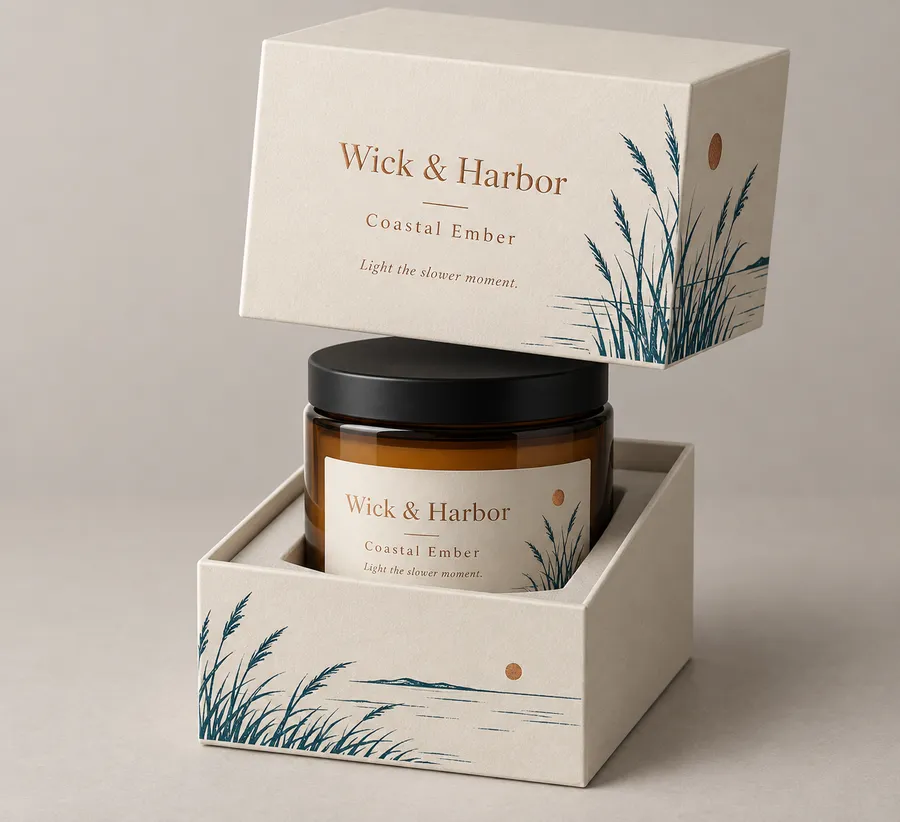
Candle Boxes
Rigid candle boxes use a sturdy two-piece base and lift-off lid to present a jar or tin with a deliberate opening moment. The box, insert, board, print, and finish are sized around the vessel's widest point and full height, including the lid. Share the packed dimensions, quantity, artwork direction, and shipping route for a quote-ready specification.
Request a QuoteMost subscription boxes are corrugated mailers. They're light, they fold flat, and they handle shipping well. You feel the flutes when you press a corner. That ridged strength is what protects the contents.
Rigid boxes are different. They're made of thick, wrapped board with no flutes, and they feel solid in the hand. The lid lifts off with a quiet pull. They suit premium or gift-led subscriptions.
Factor | Corrugated mailer | Rigid box |
|---|---|---|
Weight | Light | Heavier |
Ships flat | Yes | Usually no |
Unboxing feel | Good | Premium |
Best for | Monthly shipping | Gift or luxury tiers |
Rigid boxes weigh more, which can raise shipping cost. Many brands use a corrugated outer shipper with a rigid or printed inner box. That gives you both strength and the premium feel. For more on the first option, see our guide to mailer box sizes.
Subscription box dimensions drive shipping cost as much as weight does. Carriers price on dimensional weight, which uses the outside size of the parcel. A tall box with light contents can bill like a heavy one.
Keep the height low where you can. A flatter box often ships for less than a cube of the same volume. Our guide to right-sized packaging and dimensional weight explains the math. For a wider view of standard parcels, see shipping box sizes.
Carrier size limits, dimensional-weight rules, and pricing change often. Verify current specs at the carrier's own site before you ship. We don't quote postage here, because those rates move.
One outside source helps with the basics. Packwire's mailer box size guide lists common sizes and fit tips.
Standard sizes are a fine place to start. But a monthly curation often has one awkward item, like a tall bottle or a flat journal. That's when a stock size wastes space.
We custom-cut every box to spec at EBP. Send us your fullest-month dimensions and we'll size the box and insert to match. Many products start from 50 units, which suits a new subscription still testing its first few months.
Production takes 7 business days as standard after artwork approval. Rush orders can start from about 4 days. Everything is quote-based.
If you want to plan the full pack, see our custom subscription box packaging guide. You can also browse mailer shipping boxes or gift boxes. For other formats, our box size guide covers the full range.
What is the most common subscription box size? About 12" × 9" × 4" is the most common size. It fits a mix of beauty, snack, and lifestyle items.
What size is a mini subscription box? Mini boxes run from about 6" × 4" × 2" to 9" × 6" × 3". They suit samples and single products.
What size is a beauty subscription box? Beauty boxes usually run 9" × 6" × 3" to 12" × 9" × 4". Most hold four to six small items.
How much extra space should a subscription box have? Add about 1 inch to each measurement of your fullest month. It's a rule of thumb, so test it with a real pack.
Are subscription box dimensions inside or outside? It varies by supplier. Interior size is the usable space. Outside size is slightly larger and is what carriers bill on.
Should I use corrugated or rigid for a subscription box? Corrugated suits most monthly shipping, since it's light and strong. Rigid suits premium tiers or gift sets.
Can I use two box sizes for one subscription? Yes. Many brands pick two sizes that cover most months. Inserts take up slack in the lighter ones.
What is the minimum order for custom subscription boxes? Many of our products start from 50 units. Exact minimums depend on the style, so request a quote.
Subscription box dimensions come down to your fullest month plus a small buffer. Measure the real stack, add about 1 inch, and test a sample. Most brands need only one or two sizes. Pick those, and spend the rest of your effort on what goes inside.
Product doesn't fit a standard size? We custom-cut every box to spec — get a free quote.
Questions, answered
About 12" × 9" × 4" is the most common size. It fits a mix of beauty, snack, and lifestyle items.
Mini boxes run from about 6" × 4" × 2" to 9" × 6" × 3". They suit samples and single products.
Beauty boxes usually run 9" × 6" × 3" to 12" × 9" × 4". Most hold four to six small items.
Add about 1 inch to each measurement of your fullest month. It's a rule of thumb, so test it with a real pack.
It varies by supplier. Interior size is the usable space. Outside size is slightly larger and is what carriers bill on.
Corrugated suits most monthly shipping, since it's light and strong. Rigid suits premium tiers or gift sets.
Yes. Many brands pick two sizes that cover most months. Inserts take up slack in the lighter ones.
Many of our products start from 50 units. Exact minimums depend on the style, so request a quote.
Start a packaging brief
Share the product, quantity, dimensions, and route to market. Easy Box Packaging will help connect those requirements to a practical structure and production path.