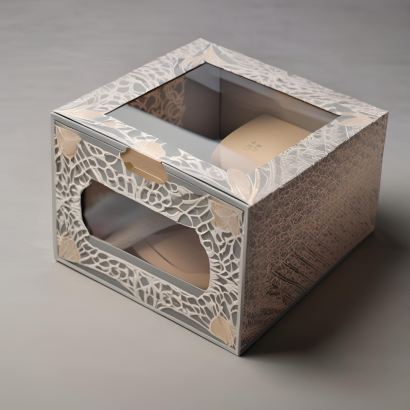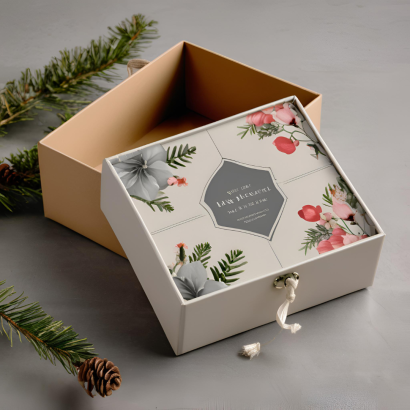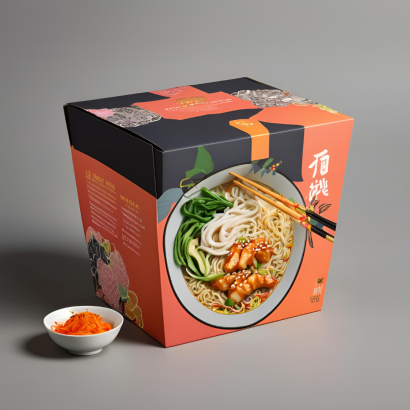

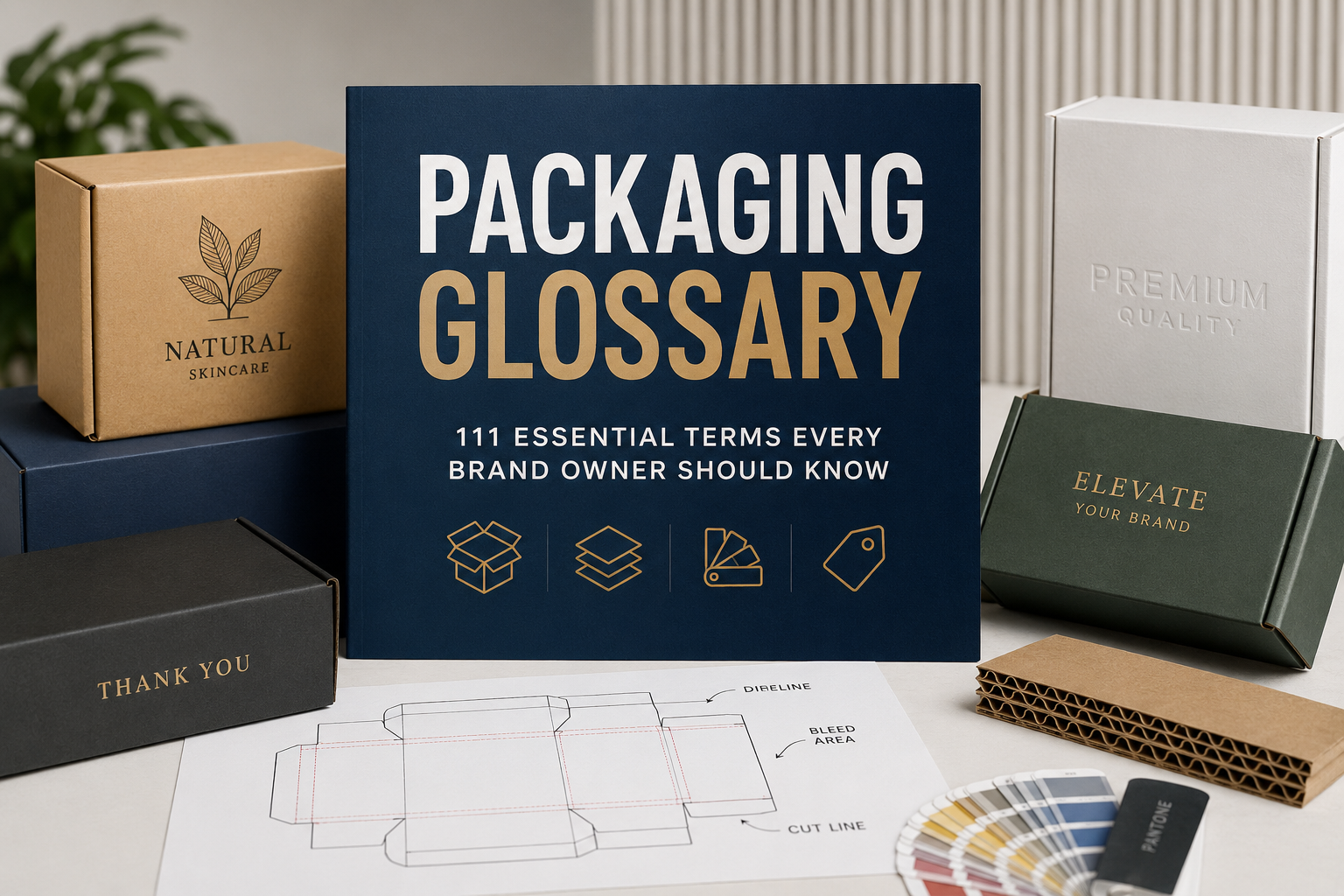
A packaging glossary is a reference list of the specialized terms used in custom box manufacturing. Packaging terms cover materials (kraft, corrugated, SBS), printing (CMYK, Pantone), finishes (spot UV, lamination), and structure (dielines, flutes). This packaging glossary explains 111 of them in plain English, A to Z. Each definition runs two or three sentences. Just enough to tell you why the term shows up on your quote. It’s built for brand owners ordering custom boxes, not packaging engineers. Look the word up, make the call, and get back to running your business.
How to Use This Packaging Glossary
Jump to any letter below. Terms are bolded, so a quick page search (Ctrl+F, or Cmd+F on a Mac) works too. Some entries link to full deep-dive guides — those give the complete picture. This packaging glossary gives you the 30-second version. Packaging terminology sounds harder than it is. New guides publish weekly, and we fold each one back into this page. Bookmark it.
Packaging glossary last updated: July 3, 2026.
0–9 · A · B · C · D · E · F · G · H · I · K · L · M · N · O · P · Q · R · S · T · U · V · W · Y–Z
0–9
3PL (Third-Party Logistics): A company that stores, packs, and ships your orders for you. Many 3PLs have box size and strength requirements. Check theirs before you finalize packaging specs.
A
A-Flute: The thickest common corrugated flute, at roughly 1/4 inch. It cushions well but makes bulky boxes. Use it for heavy or fragile freight, not retail shelves.
Aqueous Coating (AQ): A water-based coating applied over printed board for light scuff protection. It’s the budget-friendly default on many folding cartons. Subtler than UV coating, and easier to write on.
Artwork / Art File: The print-ready design file for your box, usually a PDF with vector elements. Printers want outlined fonts, correct bleed, and CMYK or Pantone colors. Bad art files cause most production delays.
Auto-Lock Bottom (Auto Bottom): A pre-glued carton base that pops open and locks into place. It assembles fast and carries more weight than tuck bottoms. You pay slightly more per unit for the glue work.
B
B-Flute: A thin corrugated flute, around 1/8 inch thick. It prints better than C-flute and still protects well. Common for e-commerce mailers and retail-ready packaging.
Basis Weight: The weight of linerboard or corrugating medium, in pounds per 1,000 square feet. It’s the US way of stating how heavy a paper is. GSM is the metric equivalent.
Bleed: Artwork extended past the trim line, usually by 1/8 inch. It prevents white slivers at the box edges after cutting. Every dieline needs it.
Blind Emboss / Blind Deboss: An embossed or debossed impression with no ink or foil over it. The design reads through texture and shadow alone. It’s a quiet, premium look for minimalist brands.
Board Grade: The spec defining a corrugated board’s strength — flute type, wall count, and ECT or Mullen rating. It’s the single biggest driver of how well your box ships.
Box Maker’s Certificate (BMC): The round or rectangular stamp printed on the bottom flap of most corrugated boxes. Round stamps typically certify burst (Mullen) strength; rectangular ones certify ECT. Either way, it states wall construction, board rating, size limit, and gross weight limit.
Burst Strength: How much internal pressure a board takes before rupturing, measured by the Mullen test. It’s the older strength standard for corrugated. ECT has largely replaced it for stacking-focused shipments.
C
C-Flute: The most common corrugated flute, about 5/32 inch thick. It balances cushioning, stacking strength, and cost. Most standard shipping boxes use it.
C1S (Coated One Side): Paperboard coated on one side only. The coated face takes crisp print; the uncoated back stays natural. Standard for folding cartons where the inside stays plain.
C2S (Coated Two Sides): Paperboard coated on both sides. Choose it when the box interior prints too. It costs a bit more than C1S.
Cardstock: Heavy paper — thicker than printer paper, thinner than board — used loosely in packaging for thin paperboard. It suits sleeves, tags, and lightweight cartons.
Chipboard: Recycled paperboard, usually grey and uncoated. Thick chipboard (greyboard) forms the core of rigid boxes. Thin chipboard backs notepads and budget cartons.
CMYK: The four-ink process — cyan, magenta, yellow, black — behind most color printing. It builds full-color images from tiny dot patterns. Some brand colors shift slightly in CMYK; that’s the problem Pantone solves.
Coating: Any liquid finish applied over print — aqueous, UV, or varnish. Coatings add scuff resistance and change the sheen. They’re cheaper than lamination but less durable.
Corrugated Board: The sandwich of a fluted paper layer glued between flat linerboards. It’s what shipping boxes are made of. People call it cardboard, but corrugated is the correct term. See our cardboard box options for standard sizes and grades.
Corrugating Medium: The paper that gets pressed into the wavy flute shape. It’s the middle of the corrugated sandwich. Heavier medium means a stronger board.
Crash-Lock Bottom: A carton bottom that locks itself as the box opens up. Most printers use the term interchangeably with auto-lock bottom. It’s the fast-assembly choice for heavier retail products.
Creasing: Pressing a fold line into board without cutting it. A clean crease folds with one crisp snap and keeps edges crack-free. Poor creasing shows up as cracked print along the fold.
D
Debossing: Pressing a design down into the board with a die. It creates a recessed impression you can feel. Pairs well with foil for logos on rigid boxes.
Die: The custom tool — sharp steel rules mounted on a board — that cuts and creases your box shape. One-time die charges show up on first-order quotes. Reorders reuse the same die.
Die Cutting: Cutting flat board into your box shape using a die. It creates the outline, windows, handles, and locking tabs. Nearly every custom box goes through it.
Dieline: The flat 2D template of your box showing cut, fold, bleed, and safety lines. Your designer builds artwork on top of it. Get the dieline right before you touch the artwork.
Digital Printing: Printing straight from a digital file, with no plates. It makes short runs and fast turnarounds affordable. Unit cost stays flat, so big runs favor offset instead.
Dimensional (DIM) Weight: A billing weight carriers calculate from box volume, not just actual weight. Oversized boxes get charged as if they were heavy. Right-sizing your box cuts shipping cost directly.
Double Wall: Corrugated board with two fluted layers between three liners. It’s dramatically stronger than single wall. Use it for heavy products or rough freight lanes.
Drop Test: A controlled test that drops a packed box from set heights and angles. It predicts how packaging survives real shipping. ISTA publishes the standard procedures.
Dust Flaps: The small side flaps that close before the main tuck on a carton. They keep dust out and square the box up. Weak dust flaps make cartons feel flimsy.
E
E-Flute: A fine corrugated flute, around 1/16 inch. It prints beautifully and folds tight, with modest cushioning. For retail boxes that need corrugated strength, it’s the go-to.
ECT (Edge Crush Test): Measures corrugated stacking strength by crushing the board edge-on. Most modern box specs quote it — 32 ECT is a common single-wall grade. Higher numbers stack heavier loads.
Embossing: Pressing a design up out of the board so it sits raised. You feel it before you see it. It’s a tactile signal of quality on premium boxes.
F
F-Flute: An ultra-fine flute, thinner than E-flute. It gives near-cardstock print quality with a little cushioning. Common in cosmetics and small retail packaging.
FEFCO Code: An international numbering system for box styles. Code 0201 is the standard shipping box with flaps meeting at center. Quoting a FEFCO code removes guesswork from structural conversations.
Flexographic Printing (Flexo): Printing with flexible rubber plates, usually straight onto corrugated. It’s economical for simple, high-volume designs. Fine detail and photo work favor litho or digital.
Flood Coating: Applying a coating or ink across the entire sheet, edge to edge. Compare spot coatings, which hit selected areas only. A flood gloss or matte sets the base feel of a box.
Flute: The wavy layer inside corrugated board — A, B, C, E, and F are the common profiles. Bigger flutes cushion; smaller flutes print. The Fibre Box Association’s Fibre Box Handbook is the industry’s standard reference on flutes and board strength.
Foil Stamping: Pressing metallic or pigmented foil onto board with a heated die. Gold and silver logos on premium boxes are foil stamped. It catches light the way ink never can.
Folding Carton: A paperboard box that ships flat and folds up — think cosmetics or cereal boxes. It’s lighter and cheaper than rigid or corrugated. The workhorse of retail shelf packaging.
FSC (Forest Stewardship Council): A certification tracking paper fiber back to responsibly managed forests. Retailers and eco-conscious customers increasingly look for it, which is why we keep 100% FSC-certified corrugated options available. Ask your supplier for chain-of-custody proof before printing the mark.
G
Gloss Lamination: A shiny plastic film bonded over printed board. Colors look saturated and the surface wipes clean. Expect fingerprints on large dark panels.
Glue Flap: The panel glued to close a carton’s body, forming the manufacturer’s joint. It’s where the box structurally holds together. Keep artwork clear of it.
Grain Direction: The direction paper fibers align during manufacturing. Board folds cleanly with the grain and cracks against it. We’ve seen cracked fold lines traced back to grain alone, so good converters set it deliberately.
GSM (Grams per Square Meter): The metric measure of paper weight. Folding cartons commonly run somewhere around 225–300 GSM. Higher GSM means stiffer, heavier board.
Gusset: A folded expansion panel in a bag or box side. Gussets let flat packaging open up to hold bulk. Common in kraft bags and garment mailers.
H
Hang Tab: A punched or adhesive tab that lets a package hang on a retail peg. It’s cheap and moves product to eye level. Spec the hole style your retailer’s pegs require.
Hard Proof: A physical printed sample made before the full run. It shows real color on real board. Slower and pricier than digital proofs, but the safest check for critical color.
Holographic Foil: Foil with a rainbow, light-shifting effect. It reads flashy and premium at the same time. Popular on cosmetics, collectibles, and limited editions.
Hot Foil Stamping: The traditional foil method — a heated metal die presses foil into the board. It leaves a slight debossed edge you can feel. Most “foil stamping” quotes mean this process.
I
Inserts: Interior pieces — foam, cardboard, molded pulp, or plastic — that hold products in place. You can plan one yourself: measure your product, then sketch the partition layout. If you’d rather skip the trial and error, Easy Box Packaging handles structural prototyping and sampling.
Inside Dimensions (ID): Box sizes are quoted as Length × Width × Depth, measured inside the box. Your product has to fit the inside, not the outside. Mixing this up is one of the packaging mistakes that kill the unboxing moment.
ISTA Testing: Standardized transit tests that simulate shipping abuse — drops, vibration, compression. ISTA’s published test procedures define each series. ISTA 3A is the usual benchmark for e-commerce parcels.
K
Kitting: Assembling multiple items into one ready-to-ship package. Subscription boxes are kitting at scale. Ask whether your co-packer or 3PL includes it.
Knocked-Down Flat (KDF): Boxes shipped and stored flat, unassembled. Nearly all folding cartons and corrugated boxes arrive KDF. It slashes freight and storage costs versus pre-assembled boxes.
Kraft Paper: Strong paper made by the kraft pulping process, which preserves long fibers. Its natural brown look signals eco-friendly, craft positioning. Available bleached (white) or unbleached (natural). Browse paper kraft box styles to compare natural vs. white options in stock.
L
Lamination: Bonding a thin plastic film — matte, gloss, or soft-touch — over printed board. It’s the most durable common finish. It costs more than coatings and complicates recycling.
Linerboard: The flat paper layers on the outside faces of corrugated board. The outer liner carries your print. Liner weight is part of the board grade.
Litho Lamination: Gluing a litho-printed sheet onto corrugated board. You get offset print quality on a shipping-strength box. Standard for premium e-commerce and club-store packaging.
M
Mailer Box: A self-locking corrugated box that folds together without tape. The roll-end tuck-top style dominates subscription and e-commerce brands. It’s sturdy, and the inside prints well for unboxing moments. Our custom mailer boxes for ecommerce guide covers sizing and cost.
Manufacturer’s Joint: The glued, stitched, or taped seam where a box body joins into a tube. It’s usually glued at the factory. A failed joint means a failed box.
Matte Lamination: A non-reflective film finish with a smooth, soft feel. It reads understated and premium. It shows scuffs more than gloss, so dark matte boxes need care in transit.
Mock-Up: A physical or digital sample of your box built before production. Physical mock-ups reveal fit and feel problems that screens hide. Results vary by product and handling, so always approve one before full production.
Molded Pulp: Recycled fiber molded into protective trays and inserts. It’s the sustainable alternative to foam. Slightly rougher look, excellent cushioning story.
MOQ (Minimum Order Quantity): The smallest quantity a manufacturer will produce in one run. Custom tooling and press setup drive MOQs. Pricing and MOQs vary by specification, so request a quote for exact numbers.
Mullen Test: The classic burst-strength test for corrugated board. It measures resistance to internal pressure, like a puncture from inside. Older specs still cite it, though ECT is now more common.
N
Natural Kraft: Unbleached kraft board with the familiar brown color and a dry, toothy surface texture. It hides scuffs well and signals sustainability. Ink colors mute slightly on brown stock, so plan artwork accordingly.
Nesting: Arranging products or boxes so they fit inside one another. Nesting cuts storage and freight space. Designers also nest dielines on a press sheet to reduce waste.
O
Offset (Lithographic) Printing: Plate-based printing that transfers ink via a rubber blanket. It delivers the best color fidelity and the lowest unit cost at volume. Setup costs make it wrong for tiny runs.
Outside Dimensions (OD): The external measurements of an assembled box. Carriers, pallets, and warehouse slots care about OD. Your quote, though, is built on inside dimensions.
Overrun / Underrun: Custom orders conventionally ship within ±10% of the ordered quantity. Most suppliers bill for the quantity that actually ships. Budget for the swing — it surprises most first-time buyers.
P
Panel: One flat face of a box. Dielines label panels so artwork lands on the right face. When a printer says “front panel,” this is what they mean.
Pantone (PMS): A standardized spot-color system for exact color matching. Your brand orange prints identically across runs and printers. It costs extra versus CMYK; worth it for logo-critical colors.
Paperboard: Thick, single-ply paper stock used for folding cartons. It’s smooth, printable, and light. Not the same as corrugated — there’s no fluted layer.
Partition: A board divider that separates items inside a box. Think wine shippers or glassware sets. Cheap, effective damage prevention.
PDQ Tray: A retail-ready display tray that goes from pallet to shelf. Retailers love the fast setup; the initials are usually read as “pretty darn quick.” Club and convenience channels often require them.
Perforation: A line of small cuts that lets board tear cleanly. Used for tear-away lids, coupons, and display conversions. Spec the tear direction, then test it.
Point (PT): Board thickness in thousandths of an inch — 14PT is 0.014 inches. It’s the US way to spec paperboard caliper. Heavier PT feels more substantial in hand.
Press Proof: A proof run on the actual production press, with production inks and board. It’s the most accurate proof type, and the most expensive. Reserve it for color-critical, high-volume jobs.
Primary Packaging: The layer touching the product itself — the bottle, tube, or inner box. It carries most of the branding weight. Compare secondary and tertiary packaging.
Print Proof: Any pre-production check of how your artwork will print. Digital PDF proofs catch layout errors; hard and press proofs catch color. We’ve seen brands skip proofs to save a day and pay for a full reprint.
Q
Quiet Zone: The blank margin required around a barcode. Artwork inside it causes scan failures at retail. Keep it clear on the dieline from the start.
R
Raised UV: Spot UV built up in layers until it sits noticeably proud of the surface. It adds gloss and texture at once. A favorite trick for logos on dark matte boxes.
Registration: How precisely print layers and finishes align with each other. Tight registration keeps spot UV sitting exactly on the logo. Misregistration reads as cheap, instantly.
Reverse Tuck End (RTE): A carton whose top and bottom tucks close in opposite directions. It’s the most economical tuck-end style. Fine for lightweight retail products.
RGB: The screen color model — red, green, and blue light. Monitors use it; printing presses don’t. Convert artwork to CMYK or Pantone before print, or colors will shift.
Rigid Box: A box built from thick chipboard wrapped in printed paper — it never folds flat. Think premium phone or perfume boxes. Usually the most expensive structure, and the most premium unboxing. Our luxury rigid box packaging guide breaks down when that cost is worth it.
Roll-End Tuck Top (RETT) Mailer: The classic e-commerce mailer with a hinged lid and front tuck closure. It assembles without tape or glue. Subscription brands standardized on it.
S
SBS (Solid Bleached Sulfate): Premium white paperboard made from bleached virgin fiber. The bright white surface makes color printing crisp. It’s the board of choice for cosmetics and pharma cartons.
Scoring: Cutting or pressing a partial-depth line so board folds where you want. It’s a close cousin of creasing; converters often use the terms together. Bad scores crack print along the fold.
Secondary Packaging: The layer around primary packaging — the carton over the jar, or a box holding multiple units. It handles branding and shelf presence. Most custom box orders are secondary packaging.
Single Wall: Corrugated with one fluted layer between two liners. It covers most e-commerce shipping needs. Step up to double wall for heavy products or rough freight.
Soft-Touch Lamination: A film finish with a velvety drag under your fingertips. It’s the finish people can’t stop touching. Oils and fingerprints can show, so test it with your product.
Spot UV: Glossy UV coating applied only to selected areas, like a logo. The contrast against matte board makes designs pop. One of the highest-impact finishes per dollar.
Straight Tuck End (STE): A carton whose top and bottom tucks close in the same direction. It looks cleaner from the front than an RTE. Standard for cosmetics and retail-facing cartons.
Substrate: The base material being printed on — paperboard, corrugated, kraft, or a specialty stock. Every finish behaves differently depending on the substrate. Easy Box Packaging runs corrugated, kraft, rigid, and cardboard substrates. Request a sample to feel the differences before committing.
T
TAPPI: The Technical Association of the Pulp and Paper Industry. It publishes the testing standards behind board specs. When a spec sheet cites a test method, it’s usually TAPPI’s.
Telescope Box (Two-Piece): A box with a separate lid that slides over the base. Full-depth lids add strength and a slow, premium reveal. Common for apparel and gifts.
Tertiary Packaging: The outer transit layer — shipping cases, pallets, stretch wrap. Customers rarely see it. It exists purely to survive logistics.
Tuck-End Box: The everyday folding carton family that closes with tuck flaps. Straight tuck (STE) and reverse tuck (RTE) are the two main styles. It’s usually the cheapest custom retail box to produce.
Turnaround Time: Total time from artwork approval to boxes shipping. Proof rounds, tooling, and finishing each add days. Ask for it in writing on every quote.
U
Unboxing Experience: Everything a customer sees and feels while opening your package. Inside print, inserts, and tissue all shape it. For e-commerce brands, it’s the first physical brand touchpoint — and a driver of repeat purchases, not just a one-time impression.
UV Coating: A liquid coating cured instantly under ultraviolet light. It’s glossier and tougher than aqueous coating. It’s applied flood (whole sheet) or as spot UV.
V
Varnish: The oldest coating type, applied like an ink on press. It’s subtle and cheap — gloss, satin, or matte. Less protective than AQ or UV coating.
Vector Artwork: Art built from mathematical paths, not pixels, so it scales without blurring. Logos and dielines must be vector. AI, EPS, and properly exported PDFs are the usual formats.
W
White Kraft: Kraft board bleached white on the print face. It keeps kraft strength while printing brighter and cleaner. A middle ground between natural kraft and SBS.
Window Patching: Gluing clear film behind a die-cut window opening. Customers see the product without opening the box. Bakeries, toys, and cosmetics use it constantly — for food contact, verify regulations with professionals first.
Y–Z
Yield: How many boxes cut from one press sheet. Better nesting means higher yield and lower unit cost. It’s why odd sizes sometimes cost more than larger standard ones.
Zipper Tear Strip: A perforated strip that rips a box open in one motion. It powers those satisfying, frustration-free e-commerce openings. It adds die complexity, so expect a small cost bump.
Which Terms Matter Most for Your First Order?
You don’t need all 111 terms to order your first box. A dozen, maybe. Across the 10,000+ brands we’ve served, the same few terms cause almost every misfire. I’ve watched plenty of first orders go sideways over them. And here’s the odd part — this packaging glossary’s most valuable entries are the boring ones. The short list, in the order they’ll bite you:
- Inside dimensions. Every quote uses Length × Width × Depth, measured inside. Measure your product, add clearance, and confirm “ID” appears on the quote. Getting this wrong means a box your product doesn’t fit.
- Board grade — and the stamp that reveals it. Here’s a trick almost nobody shares. Find a competitor whose boxes always arrive in great shape. Flip one over and read the Box Maker’s Certificate stamp on the bottom flap. It tells you the wall construction and ECT rating they’re paying for. Now you can spec your board with evidence instead of guesses.
- GSM or PT. This is the thickness and weight of your board. Too light feels cheap; too heavy wastes money on every unit. Ask your supplier what they’d spec for your product weight, then get samples.
- The finish line-items. AQ, UV, spot UV, lamination — quotes list these with zero explanation. Each one changes cost, feel, and durability. Skim the C, L, S, and U sections above before comparing quotes.
- Dieline, proof, MOQ, and overrun. These four run the ordering process itself. You can build a dieline yourself from product dimensions and a template. Prefer to skip the trial and error? Easy Box Packaging includes dieline and design support with every quote. Then approve a proof before production, confirm the MOQ, and budget for ±10% overrun.
One honest caveat. If you’re buying plain stock boxes off the shelf, most of this list doesn’t apply. Stock boxes come pre-specced; you just match inside dimensions to your product. The full checklist matters once you go custom — dielines, proofs, and overrun only come into play there.
Get those five right and the rest of this packaging glossary becomes reference material, not homework.
Packaging Terms: FAQ
What are the basic terms used in packaging?
Start with dieline, MOQ, GSM, flute, and inside dimensions. Add the finish terms — lamination, spot UV, aqueous coating — before comparing quotes. Those ten or so cover most of a custom box order.
What does GSM mean in packaging?
GSM stands for grams per square meter, a measure of paper weight. Higher GSM means a stiffer, heavier board. Folding cartons commonly run around 225–300 GSM.
What is the difference between cardboard and corrugated?
Corrugated board has a wavy fluted layer glued between flat liners, which adds cushioning and stacking strength. “Cardboard” usually refers to single-ply paperboard, like a cereal box. Shipping boxes are corrugated; retail cartons are paperboard.
What are the 4 types of packaging?
The common industry split is primary (touches the product), secondary (the branded box), and tertiary (transit packaging). Some frameworks add a fourth logistics layer used between warehouses. Most custom box orders are secondary packaging.
Where to Go Next
Bookmark this packaging glossary — we update it weekly as new deep-dive guides go live. When a term here links to a full guide, take the hint. Read it before spending money on that spec. One opinion from years of quoting boxes, since you made it this far. Where do first orders go wrong? Finishes — most brands overspend there and underspend on board grade. A spot UV logo means nothing on a box that arrives crushed. Nail the structure first. Then make it beautiful.