
Etsy buyers expect something different when they open your package. They didn’t search Amazon’s algorithm — they found your shop, read your reviews, looked at your photos, and decided to pay more for something made by a person. That choice comes with an expectation: the experience of receiving your product should feel like it came from a person, not a warehouse. Custom packaging for Etsy sellers is where that expectation gets confirmed or broken. Get it right and you get a five-star review and a repeat buyer. Get it wrong and the order ends there.
The good news is that Etsy packaging doesn’t require the same investment as a DTC brand scaling to thousands of orders a month. The buyers are different, the volume is different, and the signals they respond to are different. A handwritten note outperforms a printed brand card on Etsy in ways it never would at a 1,000-unit-per-month ecommerce brand. But that doesn’t mean packaging doesn’t matter — it means the packaging has to match the channel.
What Etsy Buyers Actually Expect From Packaging
Etsy’s community research is consistent on this: buyers care about packaging significantly more than they expect to care about it. They’re buying handmade or curated goods. The package is part of the handmade story. When it arrives in a plain poly mailer with no tissue, no card, no indication that a real person packed it — the cognitive dissonance is real. The product may be exactly what they ordered, but the experience doesn’t match the transaction they thought they were making.
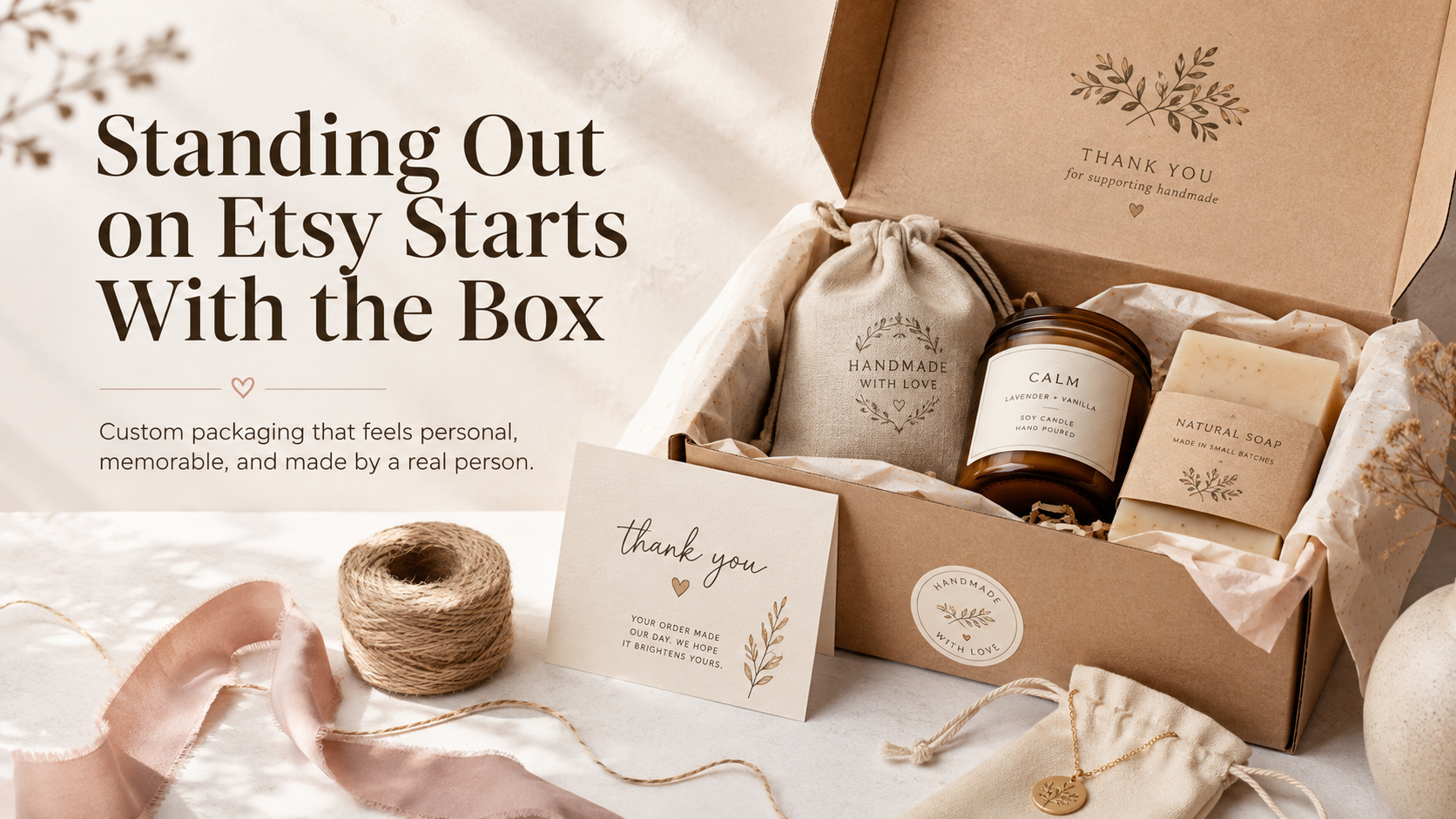
What Etsy buyers respond to most consistently: tissue paper, a personal card or note (handwritten or printed), and packaging that feels intentional. Not expensive. Intentional. A plain kraft box with a wax-sealed tag and a handwritten thank-you card does more brand work on Etsy than a premium soft-touch mailer would. The aesthetic signals matter as much as the material quality.
That said, “intentional” doesn’t mean throwback-craft for every shop. A modern jewelry brand on Etsy selling minimalist pieces has a different packaging expectation than a cottagecore candle shop. The packaging needs to match the shop’s aesthetic, not some generic idea of what Etsy packaging looks like. I’ve watched sellers lose repeat buyers not because their packaging was bad, but because the packaging didn’t match the product — a sophisticated piece of art arriving in rustic kraft packaging that felt more quirky than premium.
Custom Packaging Etsy Sellers: Formats That Actually Work
Not every Etsy shop needs the same format. The right packaging for a jewelry seller is not the same as for an art print seller or a candle maker. Here’s how to think through the format decision by category.
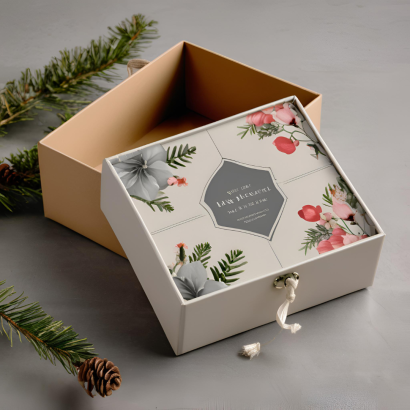
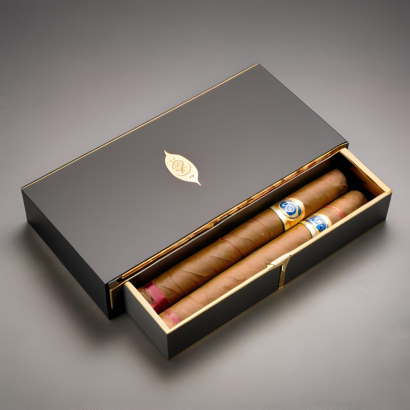
Jewelry and small accessories. Small rigid boxes — two-piece lift-lid or magnetic closure — are the standard for jewelry on Etsy, and they’re standard for good reason. The box is part of the gift presentation, and jewelry buyers are often purchasing for occasions where gifting presentation matters. A cotton-filled two-piece box with your logo on the lid, placed inside a poly mailer or small corrugated shipper, is the correct format for rings, earrings, bracelets, and pendants. Skip the corrugated mailer box for jewelry — the category expectation is a jewelry box, not a brand mailer.
Candles. Candles are heavy relative to their size, fragile, and heat-sensitive in summer shipping. The right outer packaging for candles is a corrugated mailer box — the rigid structure protects the glass, eliminates the void fill problem, and creates a better unboxing moment than a wrapped candle inside an RSC shipper. Custom printed corrugated at 50-unit digital minimums is achievable for most established Etsy candle shops. The inner presentation — tissue paper, a branded tag, a card with burn instructions — is where the personal touch lives.
Art prints and paper goods. Rigid flat mailers are the correct format: rigid enough to prevent bending, flat for efficient shipping, and available with custom printing at reasonable minimums. A rigid mailer with your shop’s logo and a phrase on the exterior is a better customer experience than a rolled print in a tube or a flat print in a soft poly envelope that arrives bent. Include a cardboard backing board inside to keep the print flat throughout transit.
Apparel and textiles. Custom printed poly mailers are cost-effective for apparel — lower per-unit cost than corrugated, lighter for shipping, and printable with full color at reasonable minimums. The inside presentation — tissue paper, a sticker seal, a branded card — adds the personal touch that poly mailers alone don’t communicate. The custom mailer box works well for premium apparel or gift-oriented clothing, but for most Etsy apparel shops, a quality custom poly mailer with tissue inside is the right cost-to-experience ratio.
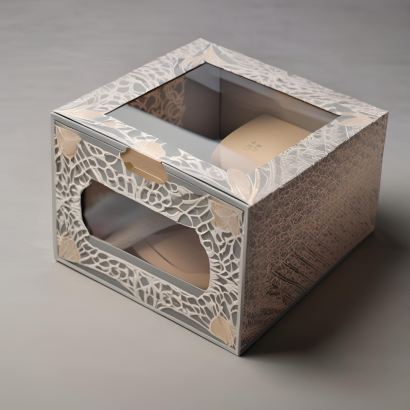
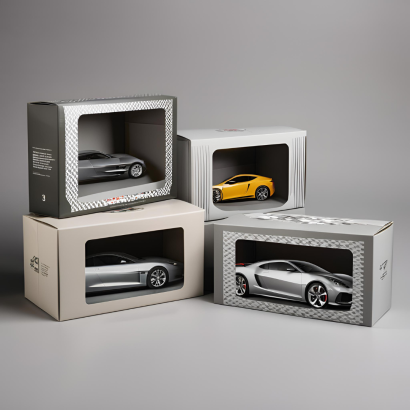
Food and baked goods. Food-safe packaging is non-negotiable. Custom kraft boxes, bakery boxes with windows, and food-safe cellophane wraps with branded sticker seals are the formats that work for Etsy food sellers. The sticker seal is worth the investment — it’s the easiest way to put a brand mark on food packaging without a minimum order commitment. Get 100 custom stickers for $30–$40, and you have a branded seal for your next 100 orders regardless of the box format.
The Insert Card: The Highest-ROI Packaging Move for Etsy Sellers
If there’s one packaging investment that pays off consistently for custom packaging Etsy sellers across every category, it’s the insert card. Not a printed flyer. A card — business card size or slightly larger — with your shop name, a thank-you message, and a specific ask.
The ask matters. The most effective Etsy insert cards don’t just say “thanks for your order.” They say: “If you love it, share a photo and tag us — we’d love to see where this ends up.” Or: “Reviews help our small shop more than you know. Tap the link below to leave yours.” Or simply: “Thank you. Made with care by [your name] in [your city].” That last version — specific, personal, place-grounded — converts Etsy buyers into repeat customers at a rate that a generic thank-you doesn’t.
Understanding how packaging drives repeat purchases makes the insert card ROI obvious. It’s the one touchpoint that makes the package feel person-to-person rather than shop-to-customer. For Etsy specifically, that distinction is the whole value proposition of the channel. A card that reinforces it costs $0.05–$0.10 per unit and generates reviews and repeat orders at a rate no ad spend can match at that cost.
The full breakdown of packaging insert strategies covers what works across different ecommerce contexts — but the Etsy version is simpler: write it like you’re talking to a friend who just bought something you made, because that’s essentially what’s happening.
What’s Worth Spending On — and What Isn’t
Etsy sellers operate on tighter margins than most DTC brands, and packaging cost has a direct impact on pricing and profitability. Here’s where to spend and where to stop.
Worth it: tissue paper. A sheet or two of tissue paper inside the box costs $0.05–$0.15 and completely changes the feel of opening the package. White or kraft tissue reads as clean and intentional. Colored tissue should match your brand palette. Crinkle-cut paper filler (in brand colors) works for some aesthetics but is messy and not right for every shop. Tissue is the easiest high-impact upgrade for any Etsy seller not already using it.
Worth it: sticker seals. A custom sticker holding a tissue wrap closed, sealing a kraft bag, or marking the outside of your box is a brand moment at extremely low cost. 100 custom stickers run $25–$40 at most print-on-demand services. No minimum order, reorderable when you run low. The sticker is how you put your brand mark on packaging you bought at a craft store or wholesale supplier without a custom print run.
Worth it: a printed card. Even without handwriting every card, a professionally printed 3.5″ × 5″ card with your shop name, a thank-you message, and a photo of your workspace or yourself is more effective than a blank card with “thank you” written in a hurry. Print 50 at a time from any local or online print shop. Cost: $15–$25 for 50 cards.
Not worth it (yet): premium corrugated finishes at low volume. Soft-touch lamination, foil stamping, and specialty printing on corrugated requires volume to make the per-unit math work. At 30–50 orders per month, these finishes cost more than the repeat purchase value they generate. Get the basics right first — tissue, card, format — then invest in premium finishes when your volume supports it.
Not worth it: elaborate void fill. Shredded kraft paper, color-coordinated filler, decorative excelsior — these add cost, add weight (which affects shipping), and create mess for the customer to clean up. Tissue paper does the presentation work better and cleaner. Save the elaborate filler for gift basket shops where the filler is part of the product presentation.
Custom Packaging Etsy Sellers: The Sustainability Angle
Etsy’s buyer base skews more sustainability-conscious than most ecommerce channels. A 2023 Etsy buyer survey found that sustainable packaging was a meaningful factor in repeat purchase decisions for a significant share of buyers — particularly among the 25–40 age demographic that drives a large portion of Etsy’s revenue.
What this means practically for Etsy packaging: recyclable and compostable materials signal alignment with buyer values in a way that generates goodwill and repeat purchases. Kraft paper tissue instead of colored tissue (more recyclable perception). Paper void fill instead of bubble wrap. FSC-certified corrugated, which you can note on your card or packaging. A small note on the insert card — “All packaging is recyclable. Please reuse the box.” — costs nothing and resonates with this buyer segment.
The packaging mistakes that hurt Etsy sellers most in sustainability-conscious categories: excessive plastic, non-recyclable polybags without a note about disposal, and packaging that looks visually wasteful relative to the product size. A small candle arriving in a box with three cubic inches of product and twelve cubic inches of packaging sends a signal that works against the handmade, intentional narrative most Etsy shops are building.
Seasonal Packaging on Etsy: When to Rotate
Etsy’s peak selling periods — Q4 holiday, Valentine’s Day, Mother’s Day — are when packaging presentation has the highest impact on repeat purchase behavior. Buyers during these periods are often purchasing as gifts, and the packaging is part of the gift experience the recipient has.
Seasonal packaging doesn’t require a full packaging overhaul. It can be as simple as switching tissue color for Q4 (red, green, or gold tissue instead of white), adding a seasonal sticker seal, or including a small seasonal card. These changes cost almost nothing at the sticker and card level, and they signal to the buyer that the shop is present and attentive — not running the same pack-out year-round regardless of the occasion.
The mistake I see Etsy sellers make at peak season: waiting until the week of the holiday to think about packaging, then scrambling for tissue paper that’s sold out locally and ordering stickers that don’t arrive in time. Order seasonal packaging elements 6–8 weeks before peak. The materials themselves are cheap. The cost of not having them during your highest-sales week is not.
How to Build an Etsy Packaging System Without Overcomplicating It
The best Etsy packaging systems are simple enough to execute consistently across 50 orders in a busy weekend. Complexity is the enemy of consistency, and inconsistency in packaging is what generates the occasional negative review that mentions “not what I expected from the photos.”
A workable Etsy packaging system: one box format sized for your primary product, one tissue color, one sticker seal, one insert card. That’s four components. You can pack every order in under 90 seconds with that system. Add seasonal tissue or a holiday sticker during peak periods. Expand to a premium box tier if you add a gift-wrapping option at checkout.
Keep packaging supplies at 30–60 days of inventory. Etsy order volume fluctuates — running out of tissue or insert cards during a viral moment is the one operational failure that costs real money in the form of negative reviews and one-star ratings about packaging. The packaging budget framework by revenue stage applies to Etsy too: spend more on packaging as your average order value and monthly revenue justify it, not before.
FAQ: Custom Packaging for Etsy Sellers
How much should I spend on packaging as an Etsy seller?
A workable target: 3–6% of your average order value. On a $45 order, that’s $1.35–$2.70 in packaging cost. At that range, you can afford quality tissue, a printed insert card, a sticker seal, and appropriate corrugated or rigid packaging for most product categories. Below 3% you’re typically in plain poly mailer territory with no insert. Above 6% you’re eating into margins at Etsy’s price points. Scale up as your shop volume and pricing support it.
Do Etsy buyers actually care about packaging?
Yes, more than most sellers expect. Packaging mentions appear in Etsy reviews at a higher rate than most sellers realize — both positive (“beautifully packaged, felt like a real gift”) and negative (“arrived in a plain bag with no note, felt like an Amazon order”). Etsy’s buyer base chose handmade over mass-produced. The packaging is part of that choice’s payoff.
What’s the minimum order quantity for custom packaging on Etsy?
For stickers: as low as 10–25 units from print-on-demand services. For printed cards: 25–50 from most online print shops. For custom corrugated or rigid boxes: 50–100 units with digital printing. For custom poly mailers: 100 units minimum at most suppliers. Stickers and cards are the right starting point for early-stage Etsy shops — they’re low commitment and immediately impactful.
Should I handwrite thank-you notes or print them?
Both work, but for different reasons. Handwritten notes are more personal and perform better on Etsy — buyers notice and mention them in reviews. But at 50+ orders per week, handwriting notes isn’t sustainable. A printed card with a genuine, personal-feeling message and your actual signature at the bottom is a reasonable middle ground. The key is that the message sounds like you wrote it, not like a corporation approved it.
What packaging is best for fragile Etsy items?
Rigid corrugated mailer boxes for most fragile categories — candles, ceramics, glass, breakables. The self-locking construction eliminates tape dependency and the rigid walls protect the product without relying on void fill. For very fragile items, add a foam insert or a die-cut cardboard insert that holds the product in place. Don’t rely on packing peanuts or bubble wrap alone — they shift in transit and don’t reliably prevent breakage for heavy fragile items.
Is sustainable packaging worth the cost on Etsy?
For most Etsy categories, yes. The buyer base is more sustainability-conscious than the average ecommerce channel, and the premium for kraft paper tissue over colored tissue or paper void fill over bubble wrap is small. The signal it sends to that buyer segment is disproportionate to the cost. Mention it on your insert card: “All packaging is recyclable and sourced responsibly.” That sentence costs nothing to print and resonates with the buyers most likely to leave reviews and return.
How do I handle Etsy gift orders from a packaging standpoint?
Etsy’s gift options (gift message at checkout) are separate from your packaging. If you offer gift wrapping as an add-on, build a clear pack-out procedure: what tissue goes in, what box, what ribbon or seal, what gift card. Price it to cover the extra materials and time — $3–$5 is reasonable for most product categories. Don’t offer gift wrapping if you can’t execute it consistently at volume during peak periods. A gift order that arrives in non-gift packaging generates a negative review that’s hard to recover from.
The Box Is Part of What They Bought.
On Etsy, the package isn’t just delivery — it’s the last step in the handmade experience the buyer paid for. Custom packaging for Etsy sellers that gets this right doesn’t need to be expensive or elaborate. It needs to feel like it came from a person, match the shop’s aesthetic, and give the buyer something worth mentioning in a review or showing to a friend.
Tissue, a card, a format that fits the product. That’s the system. Everything else is iterating on those basics as your shop grows.
See our ecommerce packaging options for small-batch formats that work for Etsy volumes — 50-unit digital minimums on corrugated, low-cost poly mailer options, and rigid box formats for jewelry and premium goods. Getting the right format locked in early means you’re not re-sourcing packaging every time your order volume grows.