Mailer & Shipping Boxes
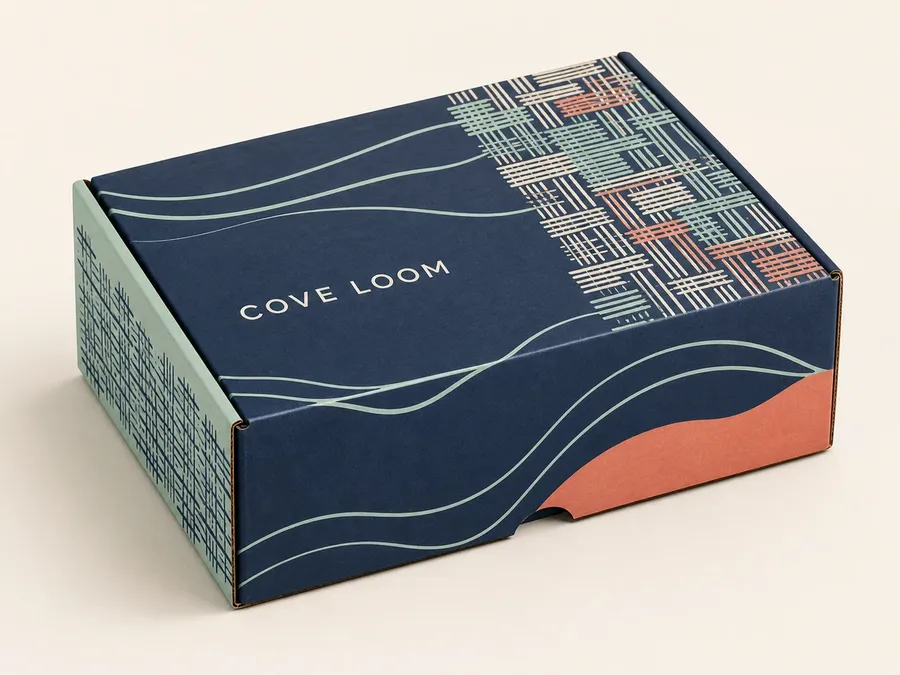
Subscription Mailer Box
A custom-printed corrugated mailer designed for repeat subscription shipments, consistent inside-lid reveals, insert planning, and efficient recurring fulfillment.
Request this format
Industry Specific Packaging
Texas brands are losing sales to generic packaging. Here's why custom boxes aren't a luxury in this market — and how to find a supplier who delivers.
If you’re running a brand in Texas, you’ve probably noticed something: everyone’s selling. Austin’s got startups popping up every week. Dallas and Houston are shipping more packages than ever. San Antonio’s right there too. It’s a golden era for entrepreneurs, but it’s also crowded. Really crowded.
And that’s why generic boxes are actively hurting your business.
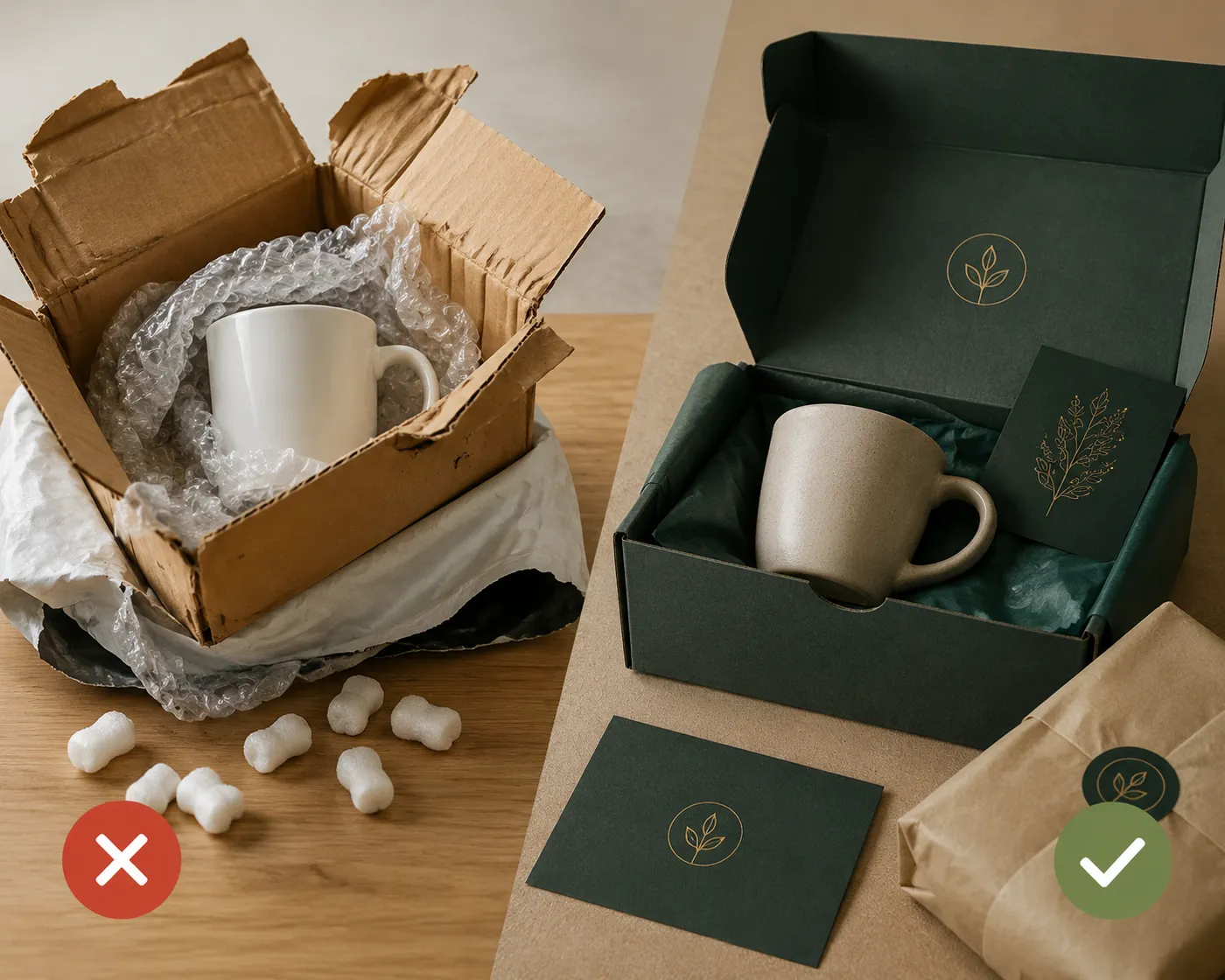
When five brands in your category are all using the same off-the-shelf corrugated packaging from a big-box supplier, you’re not just blending in—you’re bleeding differentiation. Your customer opens the box, and it looks like it could’ve come from anyone. That moment matters. The unboxing experience is often the first physical touchpoint between your brand and your customer. Get it right, and you’ve got a repeat buyer who talks about you. Get it wrong, and you’ve lost them.
I’ve worked with Texas brands from Austin to the Rio Grande Valley — the ones struggling with differentiation almost always have the same packaging problem: they treated the box as a cost center, not a brand decision.
This guide covers everything you need to know about making the switch from generic to custom packaging—and why waiting is costing you money right now.
Let’s talk numbers. Texas ranks #1 in new business formation year over year. Austin, Dallas, Houston, San Antonio—these aren’t sleepy markets. They’re hubs. The DTC and e-commerce movement landed hard in Texas, and every month, another brand launches hoping to capture a slice of that growth.
That growth is real, and it’s an opportunity. But it’s also competitive as hell.
Your packaging is marketing. Most brands know this and still ship in plain brown. That gap is exactly why custom packaging is still a differentiator — brands that invest in custom packaging see higher repeat purchase rates, more social media sharing, and measurably better customer sentiment. In a crowded market like Texas right now, those differences stack up fast.
Generic boxes signal one thing loud and clear: “We couldn’t afford better.” That’s not what you want your first impression to say. Especially when custom boxes Texas actually aren’t that expensive anymore.
What you’ll learn:
Why custom packaging Texas is becoming the move for regional brands
How Texas’s central location gives you a logistics edge
What custom packaging actually changes about customer perception
How to pick a supplier that won’t ghost you after the first order
Exactly what to avoid so you don’t waste money
Geography matters — and most packaging guides skip right past it.
If you’re sourcing custom packaging from a supplier on the West Coast, you’re adding shipping time and freight costs that a Texas-based or Texas-friendly supplier can avoid entirely. Dallas-Fort Worth is one of the largest distribution and logistics hubs in North America. That’s not an accident. The central US location means shorter transit times to reach the coasts, major carrier networks are built around DFW, and supply chain infrastructure is genuinely solid.
What does that mean for you? Faster lead times, lower freight costs, and easier communication across time zones. If something needs to change on your order (and something usually does on first runs), you can actually connect with your supplier the same business day.
Texas also has a simpler regulatory landscape than California. No state-specific packaging labeling requirements, no complicated compliance hoops. You can focus on what matters: making your box look good and protecting your product. If you’re curious how that compares, our California custom packaging guide covers the difference in detail.
We’ve worked with 10,000+ brands across the country, and the Texas-based operations tend to move faster—not because they’re inherently better, but because the logistics are just simpler. Shorter distances, better infrastructure, faster problem-solving.
Custom packaging isn’t magic. It won’t fix a bad product or turn a one-time buyer into a lifetime customer on its own. But it does a few things really well.
It creates differentiation in a crowded market. When you’re competing with several other brands in your category and they’re all using the same packaging template, a custom box immediately sets you apart. That’s not brand fluff. That’s a tangible competitive advantage.
It improves perceived value. This one’s psychology. When a customer receives a thoughtfully designed box with branded packaging, they mentally value the contents higher—even if it’s the exact same product. Unboxing experiences drive social sharing. More social sharing means more reach. And more reach means more customers noticing you exist.
A few Easy Box Packaging products that fit what this article covers.
Mailer & Shipping Boxes
A custom-printed corrugated mailer designed for repeat subscription shipments, consistent inside-lid reveals, insert planning, and efficient recurring fulfillment.
Request this format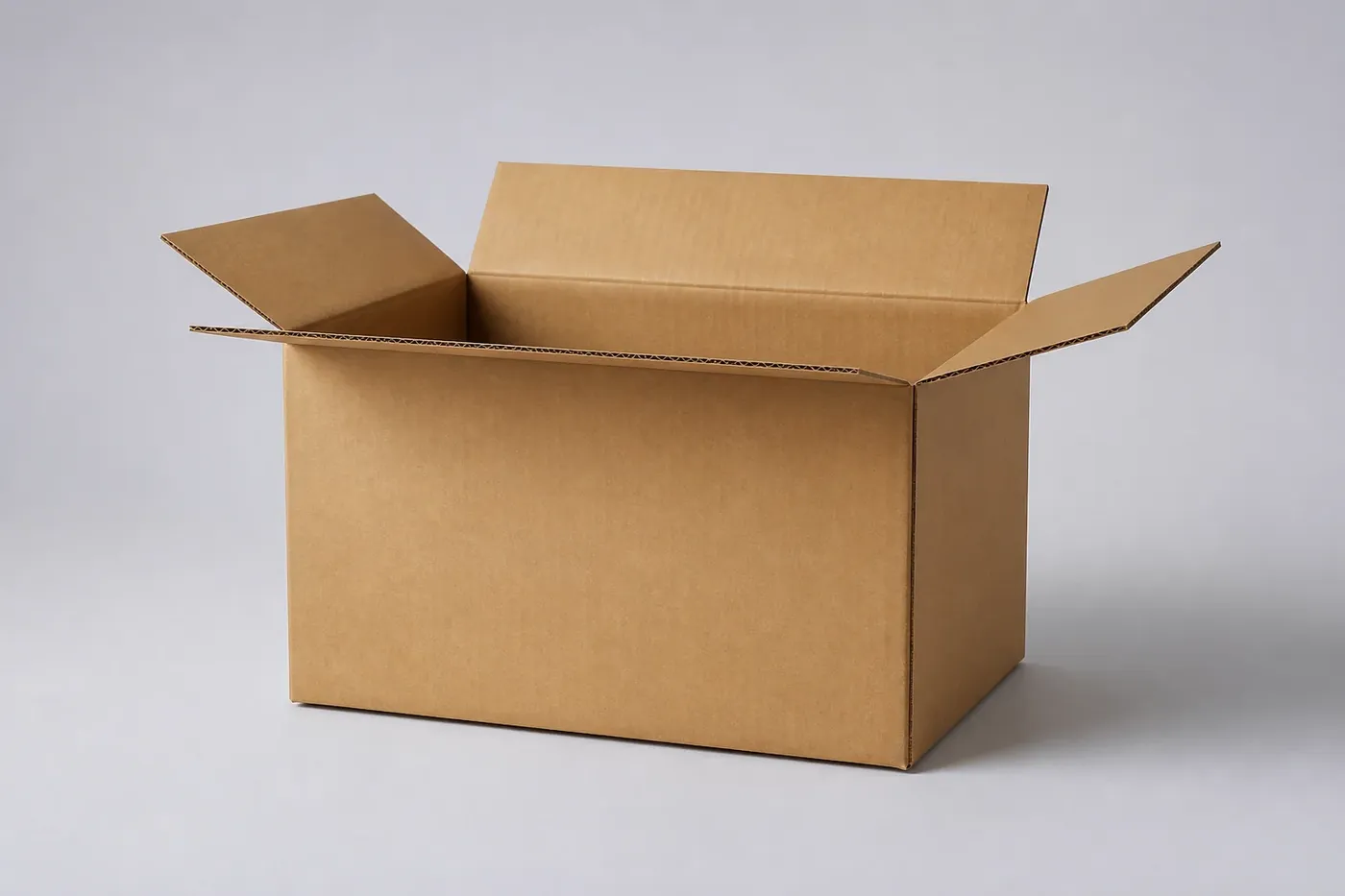
Mailer & Shipping Boxes
A made-to-order corrugated shipping carton specified around packed dimensions, gross weight, cushioning, closure, label placement, and the demands of parcel fulfillment.
Request this format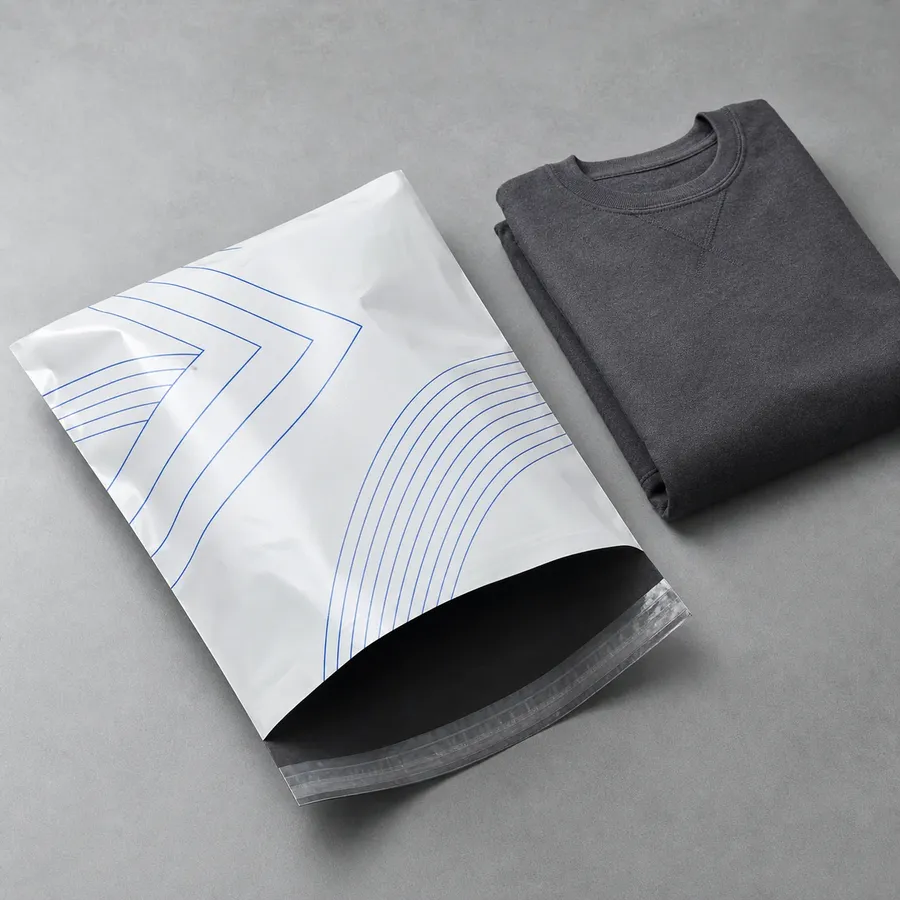
Flexible Mailers
A custom-printed flexible mailer for apparel and other non-fragile goods, built for lower-bulk dispatch.
Request this formatIt protects your product better. Custom packaging gets designed around your specific product—dimensions, weight, handling needs. A product in properly fitted, branded corrugated takes less damage in transit, which means fewer returns and fewer customer complaints. Generic boxes are often oversized, loose, wasteful. For a deeper look at how box specs affect shipping damage, see our shipping protection guide.
For Texas brands, there’s also a fourth factor worth mentioning: local pride. We’ve seen brands thrive by calling out “Texas-made” or “sourced locally” on their packaging. It resonates with Texas customers. It becomes part of your story.
Finding the right supplier is the actual hard part. Here’s what actually separates good suppliers from frustrating ones.
Volume and MOQ — start here. This is the decision most small Texas brands get wrong. Custom packaging makes sense at almost any scale, but the math is completely different at 100 boxes versus 5,000. At low volume, per-unit costs are higher, and that’s fine — you’re buying certainty, not savings. At high volume, any mistake on specs or design gets expensive fast. Ask clearly about MOQs before you get emotionally invested in a supplier’s portfolio. Get the minimums in writing. Some suppliers won’t touch orders under 500 boxes. Others are built specifically for emerging brands doing smaller runs. Neither is wrong — just know which you’re dealing with before you spend time on a quote. Pricing and MOQs vary by specification. Request a custom quote for accurate details.
Lead times with actual specifics. “Fast turnaround” means nothing. “15 business days from approval” means everything. Typical turnaround for custom corrugated often ranges from 2–4 weeks depending on complexity. Texas-friendly suppliers often land on the faster end, but don’t assume—ask.
A sample process before full commitment. Order a small run, ship a few products in them, get real feedback. The best suppliers encourage this. Results vary by product and handling. We recommend testing samples before full production.
FSC certification. If sustainability matters to your brand—and more Texas customers are paying attention—ask whether they offer FSC-certified corrugated. We offer 100% FSC-certified corrugated options available for every spec.
Honestly, responsive communication tells you more about a supplier than their portfolio does. Send an email with a specific question and see what happens. A day to respond is fine. Three days is a yellow flag. A week is a red flag. If they’re slow before you’ve given them money, they’ll be slower after. Transparent, itemized pricing goes hand-in-hand with this — per-unit cost, die/setup charge, print charges, shipping — everything on paper. If they won’t put it in writing, move on. These two things together answer the real question: can you actually trust these people when something goes sideways?
Design support is worth asking about upfront. Some suppliers offer it; others expect finished artwork. Know which you’re dealing with before you start.
The instinct to save money on packaging is understandable, but cheapest usually means something got cut — thinner board, slower service, minimal design support. You’ll find out the hard way, and by then you’ve already shipped product in boxes that don’t represent your brand.
First-run quantities are where brands consistently burn money. The lower the unit cost at high volume, the more painful any mistake becomes. Order what you’ll use in 3–4 months. Learn what actually works. Then scale.
I’ve seen brands run the math on the cheapest quote and convince themselves the savings justify the risk. They rarely do. There’s a real quality difference between a supplier who’s been doing custom corrugated for 20 years and one who’s been doing it for six months — it shows up in die accuracy, print quality, structural integrity. A box that looks good in a photo but folds weird in your warehouse is a disaster waiting to happen.
Don’t skip the sample phase. Ever. Hold the box. Fold it. Imagine shipping it. Your gut will tell you whether it’s right. And once you’ve gone through that process with a supplier you trust, scaling the order becomes a much easier decision. Most suppliers are professional and competent — your job is to find the one that fits your timeline, budget, and stage.
Step 1: Define your specs. Product dimensions, weight, how it’s being shipped. (Carrier matters for crush resistance.) Get these exact before you talk to anyone.
Step 2: Decide on design. DIY it, hire a designer, or use your supplier’s design team. Build a mood board. Know your brand colors. For a full breakdown of box types and how to choose the right structure, our custom mailer boxes guide covers everything.
Step 3: Get quotes from two or three suppliers. Same specs, same quantity, same timeline. Real comparison.
Step 4: Order a sample. One or two boxes, shipped to you. Don’t overthink it.
Step 5: Actually use them. Ship products in them. Get feedback. Refine if needed.
Step 6: Commit to a production run. Once you know it works, place an order that covers 3–4 months of volume.
The whole process typically takes 6–8 weeks from decision to product in hand. Totally doable.
Custom packaging in Texas isn’t a luxury anymore. In a market this competitive, it’s how you stop looking like everyone else.
Texas brands that get packaging right aren’t the ones who spent the most — they’re the ones who stopped treating the box as an afterthought. The box is the first thing your customer touches. In this market, that moment is doing more work than you think.
Questions, answered
It depends on specs, volume, and materials. Small runs typically start around $1–2 per unit. Larger volumes bring the per-unit cost down. Complex designs and special finishes cost more. Get an itemized quote for your actual specs before comparing suppliers. Pricing and MOQs vary by specification. Request a custom quote for accurate details.
It varies. Some suppliers want 500 boxes minimum. Others will do 100. Ask explicitly upfront—don’t assume.
Often 2–4 weeks for custom corrugated. Rush options exist but cost more. Texas-friendly suppliers tend to be on the faster side, especially for reorders.
Yes. Most suppliers offer recycled corrugated—typically cheaper and still sturdy. FSC-certified options are widely available if that credential matters to your brand.
Depends on how far along production is. Contact your supplier immediately. Early changes are usually free. Last-minute changes cost more, or may not be possible. This is why proofing matters.
No guarantees. But it does improve perceived value, drive social sharing, and reduce damage-related returns. Whether that translates to more revenue depends on your product, market, and execution. Results vary.
If speed and freight cost matter, a Texas-based or Texas-friendly supplier makes sense. But the right supplier is the one who meets your specs, timeline, and budget. Location is one factor, not the only one.
Start a packaging brief
Share the product, quantity, dimensions, and route to market. Easybox will help connect those requirements to a practical structure and production path.