
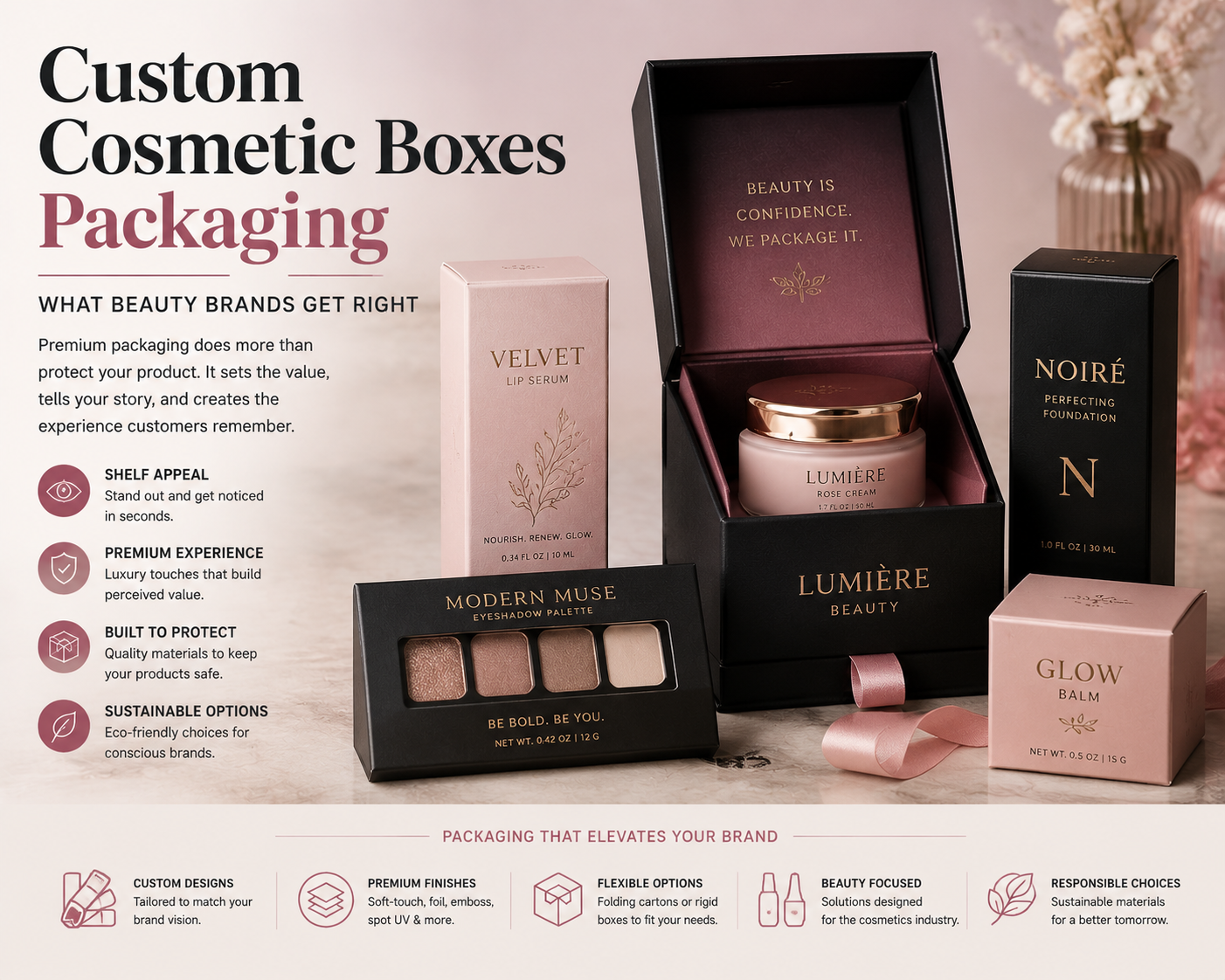
In beauty, the packaging doesn’t just contain the product. It sets the price expectation before the product is even seen.
A $28 eyeshadow palette in a flimsy tuck-end carton feels like a $12 product. The same palette in a soft-touch rigid box with a magnetic closure feels like a $45 product. Same formula. Same pigment. Different box. Different perceived value.
Custom cosmetic boxes packaging is doing more work in this category than almost any other. Here’s how to make it work for you.
What Cosmetic Buyers Actually Respond To
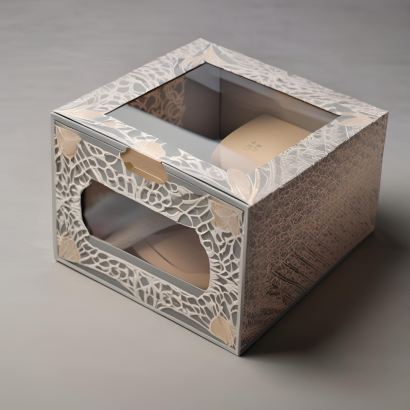
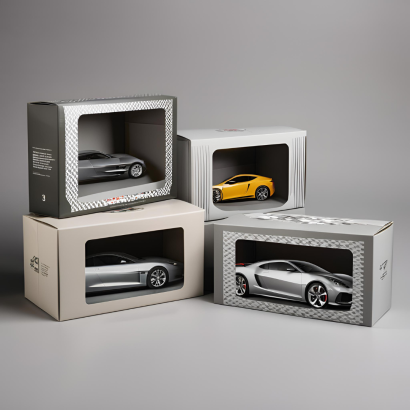
Color payoff is the primary purchase trigger in cosmetics. Buyers want to see what they’re getting before they commit. This is why window display formats dominate the category — a folding carton with a die-cut window showing the palette is more persuasive than a product photo on the front.
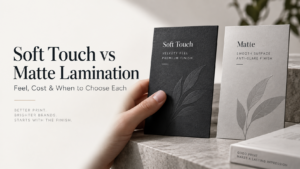
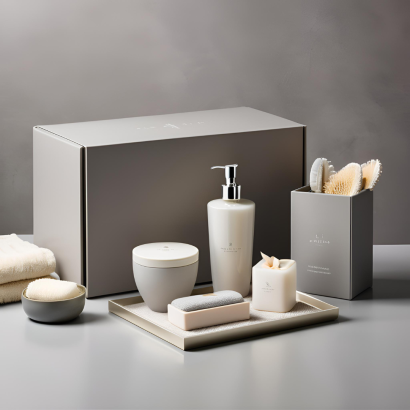
Beyond visibility, texture does significant work. A matte laminated box with soft-touch coating registers as premium before anyone reads a word. A glossy white box with a sticker label reads as mass market regardless of what’s inside.
The third signal is weight. A rigid box with 2.5mm greyboard feels expensive in the hand. A thin folding carton doesn’t — no matter how good the print is.
The brands getting custom cosmetic boxes packaging right make decisions in this order: structure first, then finish, then print. Most get it backwards.
The Format Options for Custom Cosmetic Boxes Packaging
Folding cartons with window. The standard for mid-market beauty. Palettes, lip kits, eyebrow sets. The window shows the color story. SBS board with soft-touch lamination and spot UV on the logo is a solid spec that photographs well and holds up in retail. Cost-effective at 500+ unit runs.
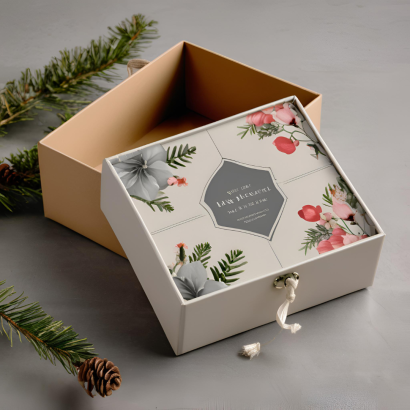
Rigid boxes. For premium and luxury positioning. Skincare sets, gift collections, high-end colour cosmetics. The unboxing experience — the weight of the lid, the interior presentation — is part of the product. A magnetic closure rigid box with a velvet interior tray is the right spec for anything over $60 sold as a gift or self-treat. We cover the full decision in the luxury rigid box packaging guide.
Folding cartons without window. Works for single-product items where the label does the visual selling — foundations, powders, setting sprays. Print quality matters more here because the box exterior is doing all the work.
Health and beauty shipping boxes for DTC need a different consideration. The outer mailer and the inner product box are two separate design problems. The outer box takes transit damage. The inner custom cosmetic packaging does the brand work. Don’t compromise the inner presentation to save money on the outer box.
Finish Decisions That Actually Move the Needle
Soft-touch lamination. Full stop.
It’s the single most effective finish in beauty packaging. It reduces gloss, creates a tactile matte surface, and makes everything feel more expensive. If you do nothing else, do this.
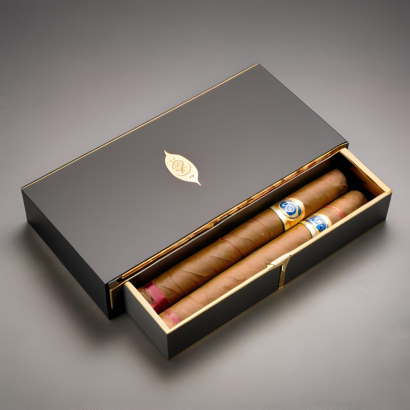
Foil stamping on the logo and brand name — used as accent, not background. Gold foil on a matte black box is a combination that works in beauty for a reason: high contrast ratio, catches light in retail, photographs well on a flat lay.
Spot UV over soft-touch creates gloss-on-matte contrast. Strong on pattern elements and brand marks. Subtle in low light, dramatic under direct light.
One thing that doesn’t work: combining too many finishes at once. Foil plus spot UV plus emboss plus soft-touch — I’ve seen brands do all four simultaneously. The result looks overworked and cheap. Pick two. Do them well.
Interior Spec — the Part Most Brands Underbudget
The interior is where the brand experience lives for the customer.
For rigid boxes: a velvet flocked insert or paper-wrapped tray holds the product in position and looks deliberate. An empty brown chipboard interior in a premium box says “we spent the budget on the outside and forgot you’d open it.” The same insert logic extends past palettes and compacts — our brush boxes with insert hold each brush by the handle so the bristle head clears the box walls, instead of rolling loose against a plain interior.
For folding cartons: a printed interior panel — even just the inside of the lid — shifts perception entirely. A tissue wrap in your brand color adds almost nothing to the per-unit cost and creates the moment that gets photographed and shared.
Research on how packaging shapes repeat purchases is consistent: the interior experience is what customers remember. The exterior sells the first purchase. The interior earns the second one.
Five Questions Before You Brief a Cosmetics Packaging Supplier
1. Is this for retail or DTC? Retail needs to stack and face out on a shelf. DTC needs to survive transit and create an unboxing moment. Different specs.
2. Does the product need to be visible before purchase? If yes, you need a window format. If no, you have more design latitude.
3. What’s the product price point? Under $30 — folding carton. $30–60 — premium folding carton with strong finishes. Over $60 — rigid box.
4. What does the interior need to hold? Single item or multiple components? Specify the insert before designing the exterior.
5. What’s your launch volume? Folding cartons: 500+ units typically. Rigid boxes: 100–300 units.
Pricing and MOQs vary by specification. Request a custom quote for accurate details.
FAQ
What board is used for custom cosmetic boxes packaging?
SBS (Solid Bleached Sulfate) is the standard for beauty folding cartons — bright white, excellent print clarity. Rigid boxes use greyboard wrapped in specialty paper. Kraft board works for natural/wellness brands but limits print color accuracy.
How do I make cosmetic packaging look more premium without a huge budget?
Soft-touch lamination is the highest-ROI single finish decision. It costs more than standard gloss laminate but transforms the tactile perception. Do that before anything else.
What’s the difference between retail and DTC cosmetic packaging specs?
Retail needs structural rigidity to stack on shelf. DTC needs transit durability and an unboxing experience. Print and finish priorities are similar — structural specs and interior presentation differ.
Can I get a sample before a full production run?
Yes, and you should. Color shifts between digital proof and physical print are a common packaging mistake in beauty. Finish interaction with your specific colors can only be evaluated on a physical sample.
Cosmetics is the category where packaging investment pays back fastest. The buying decision is visual, the unboxing drives social sharing, and the interior experience earns the repeat order. Get the structure right. Pick two finishes and execute them well. Spec the interior before you design the exterior. Beauty brands that follow that sequence usually find the packaging pays for itself before the first reorder.