
When someone buys a gift, they’re not just buying the product. They’re buying confidence. They need to believe — before they hand it over — that the recipient will feel something when they open it.
The box is what that confidence looks like, physically.
The global gift packaging market is growing from $27.5 billion to an estimated $44 billion by 2034. That growth is driven by premiumisation — consumers increasingly treating the packaging as part of the gift itself. Consumer psychology research confirms what retail data shows: product opinions form within seconds, based on packaging before the product is even seen.
Brands that understand this sell more. Not because they trick buyers. Because they remove the doubt that was in the way.
The Psychology Behind Custom Gift Packaging Boxes
The gift purchase is different from almost every other buying decision. The buyer is purchasing for someone else. They can’t predict the recipient’s reaction. They’re making a judgment call under uncertainty.
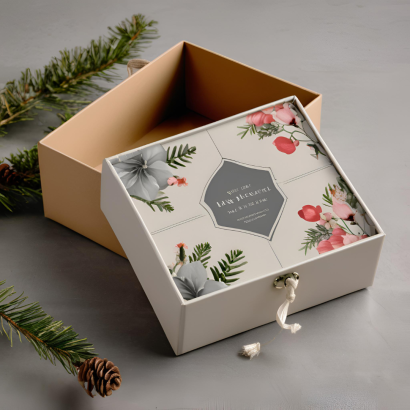
Custom gift packaging boxes reduce that uncertainty. A rigid box with a ribbon closure looks like a gift that will land well. A plain folding carton feels like a transaction. One decision made, one doubt removed.
Three elements do most of the psychological work:
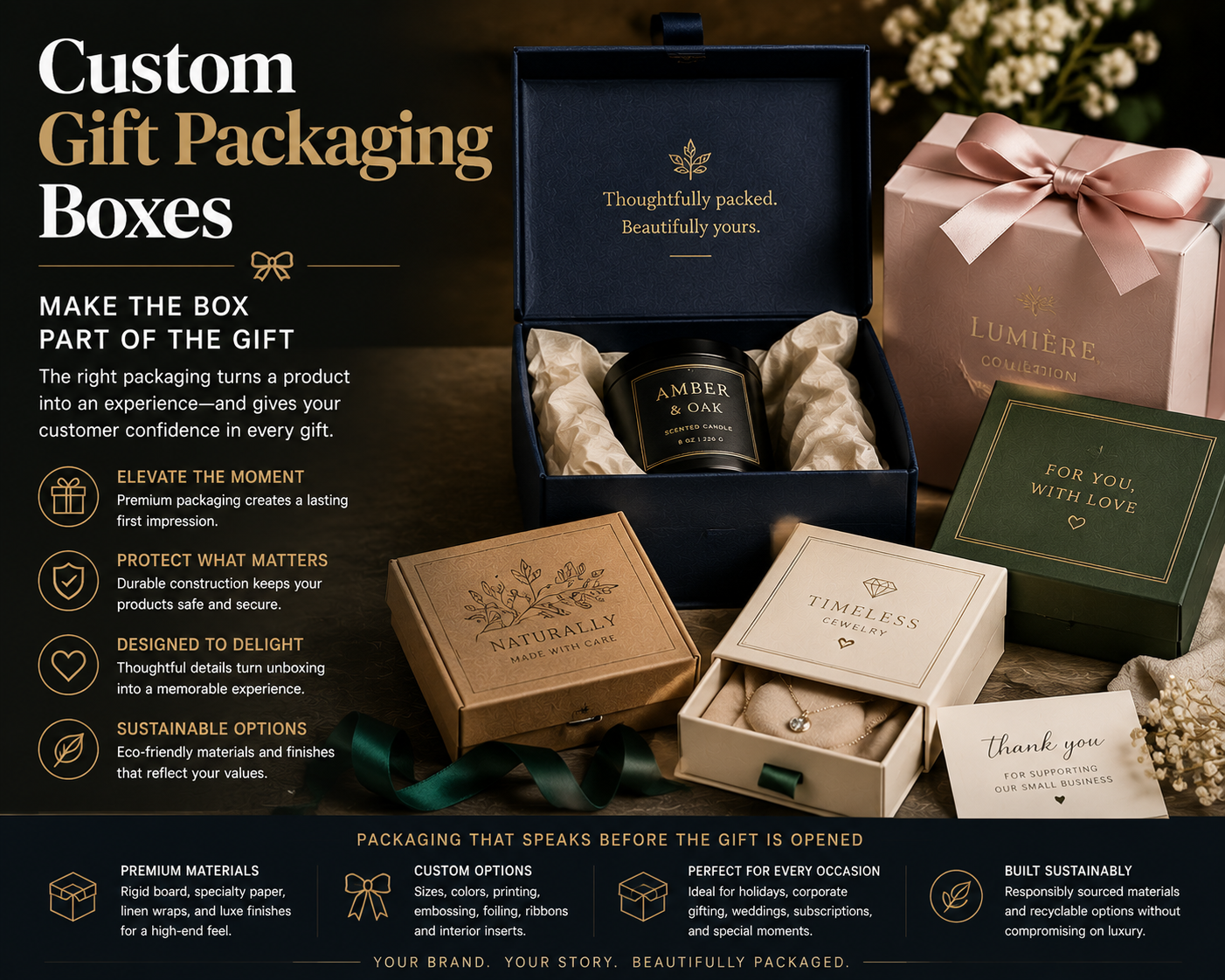
Weight and structure. A heavy box signals value before the lid opens. Rigid greyboard construction creates that weight. Tissue stuffed into a light carton doesn’t, no matter how carefully it’s arranged.
The opening ritual. Ribbon pull tabs. Magnetic closures. A lid that lifts off cleanly. The slower and more deliberate the opening, the more the recipient feels the gift was prepared for them.
Interior presentation. Tissue in the brand’s color. A printed card. The product held in position. Research on how packaging shapes repeat purchases shows the interior is what the recipient remembers — and what the giver gets asked about.
Format Options for Custom Gift Packaging Boxes
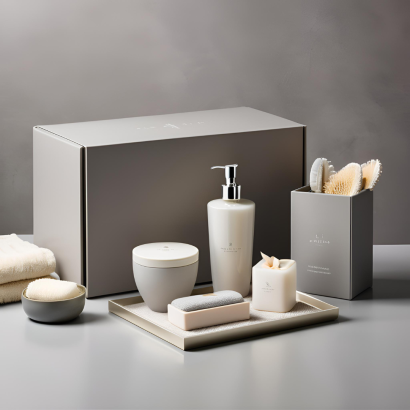
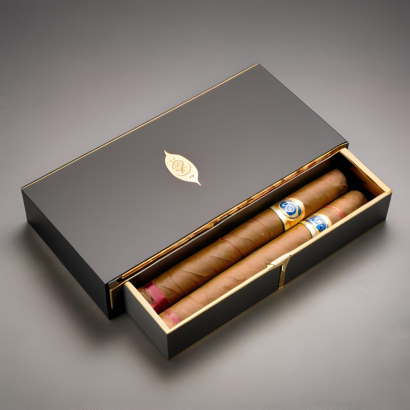
Rigid gift boxes. The strongest signal for premium gifts. Lid-and-base construction with interior lining. Appropriate for fine food collections, candle sets, skincare bundles, jewelry, and accessories. The cost premium is substantial — 4–6× a folding carton — but earns back in a category where perceived value drives the purchase. For the full specification decision, the luxury rigid box guide covers every format and finish in detail.
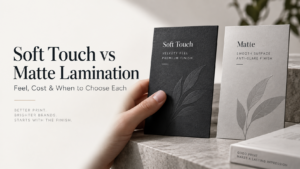
Premium folding cartons. The middle ground. A well-finished folding carton — matte laminated, right-sized, with a ribbon pull tab — can read as gift-appropriate. The finish decisions matter more than the format. A matte laminated white carton with interior tissue reads as a gift. A glossy generic carton reads as retail.
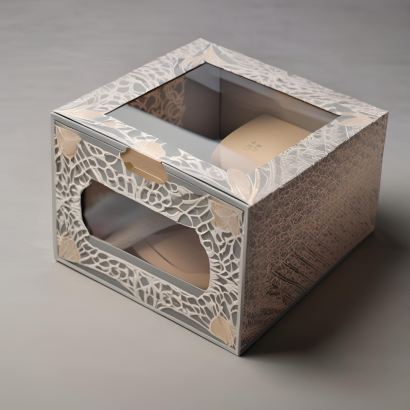
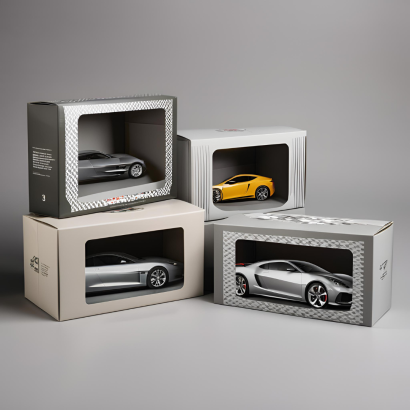
Window boxes. Right for gifts where the product’s visual appeal sells itself — confectionery, candles, artisan food. Both giver and recipient see what’s inside without opening. Removes the uncertainty that makes gift-buying uncomfortable.
Kraft boxes. Work for natural, handmade, or artisan gifting contexts. The uncoated aesthetic communicates genuine craft. Limitation: vivid brand colors don’t translate accurately to natural kraft. Stick to earthy palettes and clean typography.
What Personalisation Actually Adds to Custom Gift Packaging
Branded tissue paper. A printed card in your signature font. A message on the inside lid panel. These signal that someone thought about this — which is precisely what gift buyers want to feel they’re communicating.
What doesn’t help: external ribbon on an otherwise generic carton. A sticker on a brown box. Decorative elements on top of an unbranded structure rarely fix the underlying problem.
I’ve seen brands spend money on ribbon and premium tissue for a box that still has brown chipboard interior and a standard tuck-end closure. The ribbon can’t compensate for the box. Start from the inside out and work toward the exterior — not the other way around. That inside-out logic matters even more on baby product gift sets, where the material itself — non-toxic inks, child-safe coatings — is part of the spec before any ribbon or tissue gets added.
The 2026 shift worth noting: customers increasingly keep premium gift packaging. Rigid boxes get repurposed as storage. Keepsake boxes outlast the purchase moment. Packaging that has a useful life beyond the gift does extended brand work — and it’s an argument for building in durability from the spec stage.
Seasonal Planning: The Mistake Most Brands Make
Gift packaging demand spikes hard around four windows: Valentine’s Day, Mother’s Day, the end-of-year holiday period, and Father’s Day.
The common mistake: ordering just enough for the season, too late. Custom gift packaging boxes run 3–6 weeks in production. Orders placed in late November arrive after Christmas. The rule is 6–8 weeks minimum lead time, plus a buffer for artwork revisions. That’s the same lead-time math behind our Christmas holiday gift boxes — the busiest brands place that order in September or October, not November.
The second mistake: different specs for each seasonal window. One well-designed gift box that works year-round beats four seasonal variations on cost, MOQ management, and storage. A neutral base design with seasonal tissue or insert card swaps gives you flexibility without resetting your production run every quarter — that’s the logic behind a winter-themed display box over a Christmas-specific one: the frost-and-snowflake look carries from November promotions through January clearance without a reprint.
Sustainability in Gift Packaging
Plant-based inks, FSC-certified paperboard, and water-soluble adhesives are becoming standard specs in the gift packaging category. Buyers at retail are increasingly asking for documentation to back up sustainability claims.
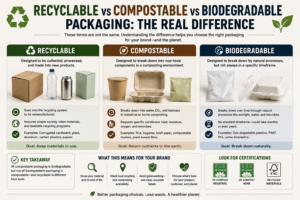
If your brand makes eco claims, the packaging spec needs to support them. FSC certification on the board is verifiable. An aqueous coating over FSC-certified board is generally recyclable. PVC laminations and mixed-material structures are not.
Five Specs to Confirm Before Ordering Custom Gift Packaging Boxes
1. Rigid or folding carton? Over $50 retail, rigid box is usually right. Under $50, a well-finished folding carton works — but finish decisions matter significantly here.
2. Closure type. Magnetic, ribbon pull, or friction-fit lift-off lid. The closure determines the opening ritual. Don’t leave it as a default.
3. Interior finish. Rigid boxes: specify lining material. Folding cartons: specify tissue color and weight. Both need confirming before production — not added as an afterthought.
4. Window or opaque? If the product looks genuinely beautiful, show it. If it varies between units, keep it opaque.
5. Lead time against peak demand. Work backwards from your key selling window. Add 6–8 weeks production time plus a buffer.
Pricing and MOQs vary by specification. Request a custom quote for accurate details.
FAQ
What makes a gift box feel premium?
Weight, opening ritual, and interior presentation. A heavy rigid box that opens slowly and reveals a product held in position — with tissue and a printed card — reads as premium. A light carton that pops open doesn’t, regardless of what’s printed on the outside.
Can I use gift packaging for non-gift products year-round?
Yes, and it’s often worth it. Gift-appropriate packaging increases perceived value, drives spontaneous gifting purchases, and supports premium pricing. The cost is higher. So is the conversion rate and average order value.
What’s the minimum order quantity for custom gift packaging boxes?
Rigid boxes: typically 100–300 units minimum. Premium folding cartons: typically 250–500 units. Confirm exact MOQs with your supplier for your specific dimensions and spec.
How do I handle gift packaging for DTC shipping?
The inner gift box handles the brand experience. The outer shipping box handles transit protection. They’re two completely separate specs. A beautiful rigid gift box inside a plain outer mailer that arrives crushed fails both jobs. Our custom mailer boxes guide covers the outer packaging decision in detail.
What packaging mistakes should I avoid with gift boxes?
The most common: approving a digital mockup without testing a physical sample — finishes and colors look different in print. Skipping the interior spec. Ordering too close to peak season. See our full guide to packaging mistakes that cost brands the most.
Gift packaging is one of the few categories where the buyer’s emotional state at the moment of purchase directly depends on what the box looks like. They’re buying confidence. The box is that confidence made physical. Get it wrong and you lose the sale. Get it right and you get talked about — the recipient asks where it came from, the giver tells them, and that referral cost you nothing but a better box spec.