
Philadelphia doesn’t have a single packaging story — it has four or five of them running in parallel. There are the artisan food brands coming out of Fishtown and the Italian Market. The health and wellness DTC startups building out of Penn and Drexel’s startup ecosystems. The specialty food and craft beverage producers spread across Eastern Pennsylvania. The Main Line brands with premium retail crossover ambitions. They all ship from roughly the same metropolitan area, but they need different things from their packaging.
What ties them together: the I-95 corridor puts Greater Philadelphia within 1–2 day ground shipping of over 40% of the US population. That distribution advantage is real, and brands that build their fulfillment operation around it can compete with much larger companies on delivery speed. But the packaging has to be ready for both the hot, humid Philadelphia summers and the freeze-thaw winters — and it has to match what each corner of this diverse DTC market actually expects when a box arrives at the door.
Here’s what’s working for custom packaging in Philadelphia and across Pennsylvania.
Philadelphia’s Climate Problem: It Goes Both Ways
Most regional packaging guides pick one climate challenge to focus on. Philadelphia makes you manage two, in opposite seasons.
Summer humidity. Philadelphia summers are genuinely humid. July and August regularly hit 80%+ relative humidity, with heat indexes above 100°F. Corrugated ECT stacking strength degrades with humidity — at 85% RH, corrugated can lose close to half its dry-condition strength. For brands shipping heavy products, stacking multiple units, or storing corrugated inventory in non-climate-controlled warehouse space during summer months, the structural spec needs to account for this. Moisture-resistant board sizing and adequate ECT for humid conditions (not just dry lab conditions) are the right calls for Philadelphia summer fulfillment.
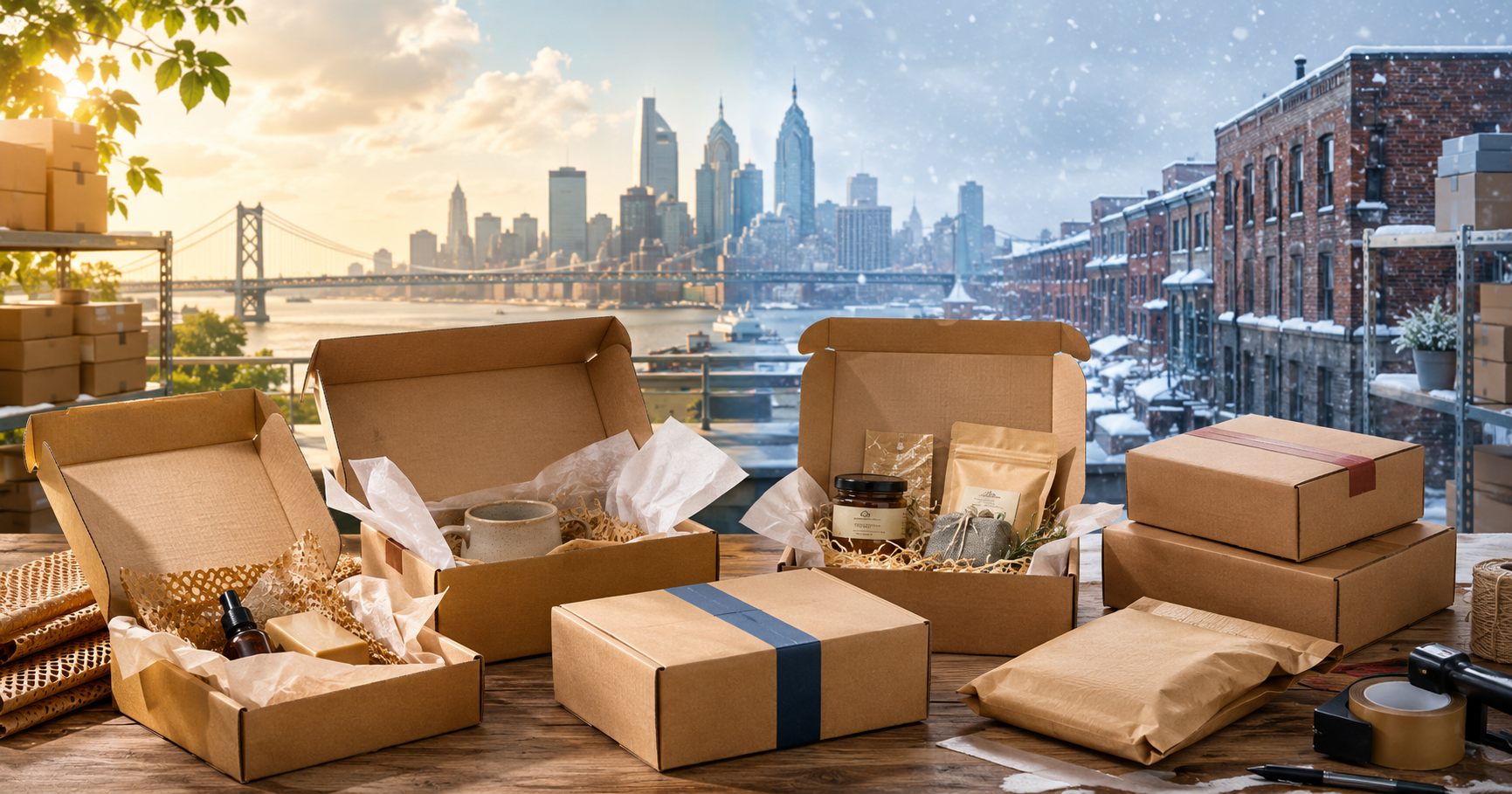
Winter freeze-thaw. Philadelphia winters bring real cold — average January lows around 25°F, with regular dips below 20°F. The freeze-thaw cycle from November through March is harder on packaging adhesives than steady cold. Standard hot-melt tape adhesive degrades in repeated freeze-thaw cycling. Packages sitting on Philadelphia row house stoops in February go through multiple freeze-thaw cycles before they’re brought inside. Self-locking corrugated construction — auto-lock bottoms, tuck-top mailer boxes — removes the tape dependency entirely and holds structural integrity through winter temperature swings.
The brands that get this right spec for both: moisture-resistant board sizing for summer structural performance, self-locking construction for winter adhesive reliability. Neither requires premium pricing at scale — they’re spec decisions, not material upgrades.
The I-95 Corridor Advantage: What It Means for Your Packaging Decisions
Ground shipping from the Philadelphia metro area reaches New York City in under 2 hours by truck. Washington DC in 2–3 hours. Boston in 5–6 hours. The entire Northeast corridor, which contains some of the highest consumer purchasing power per capita in the country, is essentially 1-day ground from Greater Philadelphia.
This matters for packaging in a specific way: brands fulfilling from the Philadelphia area can ship 2-day domestic ground to more addresses than brands fulfilling from most other US cities. That speed advantage, combined with competitive shipping rates for East Coast distribution, means the ROI calculation on packaging quality works differently here than it does in less favorably positioned markets.
When your delivery times are competitive, the packaging becomes a larger percentage of the customer experience. The box is what the customer interacts with — not the shipping speed, which they’ve already forgotten by the time it arrives. Understanding how packaging drives repeat purchases matters everywhere, but it’s especially relevant when you’ve already solved the delivery speed problem through geography.
I’ve watched Philadelphia-area brands systematically under-invest in packaging relative to their logistics spend. They’ll pay for premium fulfillment software, competitive carrier rates, and next-day last-mile options — and then ship in a generic brown box that communicates nothing about the brand. The I-95 advantage gets customers their order fast. The packaging is what makes them want to order again.
Philadelphia’s Neighborhood DTC Map
Philadelphia has enough distinct neighborhoods — each with its own consumer demographics and brand expectations — that where your customers are shapes what your packaging should communicate.
Fishtown / Northern Liberties: This is Philadelphia’s densest concentration of artisan brands, independent food producers, and DTC startups. The consumer base is design-aware, sustainability-conscious, and responsive to packaging that reads as handcrafted or intentional. Kraft corrugated with minimal print coverage, recycled content board, and clean structural design performs better here than glossy full-color print with lamination. Excess packaging — oversized boxes, plastic fill, excessive dunnage — gets noticed negatively by this segment.
Center City / Rittenhouse Square: Higher income, premium retail expectations. Brands selling into Center City consumers benefit from the same packaging signals that work in Bellevue or Boulder — clean construction, quality finishes (matte lamination at minimum, soft-touch for premium positioning), rigid box for high-value items. This segment associates packaging quality with product quality in a way that makes the investment in premium finishes justify itself.
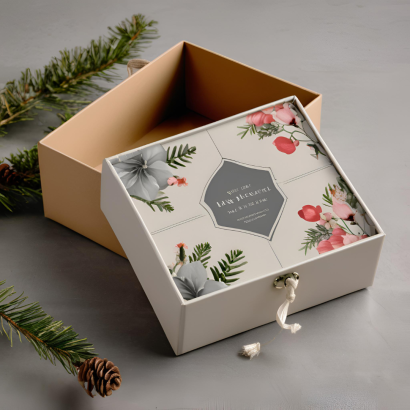
Main Line suburbs (Ardmore, Wayne, Bryn Mawr): High-income suburban consumers with premium retail access. Packaging here competes against specialty retail unboxing experiences — Anthropologie, Williams-Sonoma, specialty boutiques. The corrugated mailer box needs to feel considered, not generic. Tissue wrapping, custom inserts, and quality print work for Main Line brands selling premium home goods, beauty, or specialty food.
South Philly / Italian Market area: Philadelphia’s heritage food neighborhood. Artisan food brands operating here often cross between DTC ecommerce and direct retail. Retail-ready packaging — corrugated that functions cleanly as both a shipper and a display unit — is relevant for brands selling through Reading Terminal Market, the Italian Market, and local specialty grocery as well as online.
Philadelphia Food and Beverage Packaging: What the Spec Actually Requires
Pennsylvania’s food and beverage brand ecosystem is substantial — craft brewing in Philadelphia (Yards, Evil Genius, Dock Street), Eastern PA (Victory, Troegs, Yuengling), artisan chocolate, specialty condiments, small-batch coffee roasters. Brands in these categories have packaging requirements that differ from standard ecommerce corrugated.
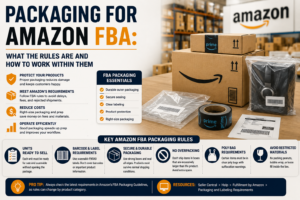
Food-safe board. Any corrugated that contacts or directly contains food product needs food-safe board stock. I’d say roughly half the first-time food brand orders I’ve seen come in without this specified — the brand assumes it’s standard, the supplier quotes standard corrugated, and the problem surfaces at the sample stage rather than the brief stage. FSC-certified kraft or SBS with food-safe coatings is standard. This is non-negotiable for DTC food shipments and affects Amazon FBA eligibility.
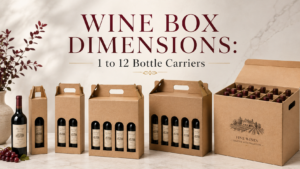
Weight ratings for beverage. A case of twenty-four 12oz cans weighs over 18 lbs before any packaging materials. Standard single-wall corrugated is not rated for the compression load this generates in stacked distribution scenarios. ECT-32 minimum for anything going on pallets; double-wall for anything being palletized or shipped in multi-case configurations. Chipboard partitions or corrugated cell packs are required to prevent bottle-to-bottle contact in bottled beverage shippers.
Temperature considerations for chocolate and specialty food. Philadelphia summers can hit 95°F+ with high humidity. Chocolate, certain condiments, and specialty foods are sensitive to heat and humidity exposure in transit. For brands shipping temperature-sensitive food products in summer, the corrugated shipper is part of the thermal management system — insulated corrugated liners, reflective coatings, or cold-chain packaging may be required alongside the standard corrugated spec.
The New Jersey Fulfillment Reality
A significant number of Philadelphia-metro DTC brands fulfill from South Jersey — Camden, Cherry Hill, Mount Laurel, Marlton — where commercial and industrial real estate is less expensive than comparable space in Philadelphia proper. If you’re in this situation, your shipping origin is effectively South Jersey, and your fulfillment operation sits closer to the I-295 corridor than I-95.
For packaging purposes, this doesn’t change the climate spec — South Jersey has the same freeze-thaw winters and humid summers as Philadelphia. It does affect carrier pickup routing and, in some cases, transit zone calculations for ground shipping. Brands fulfilling from South Jersey sometimes get slightly different zone maps than brands fulfilling from Philadelphia zip codes, which can affect which carrier contract rates apply and whether overnight vs. 2-day delivery is available to specific Northeast addresses.
The packaging spec should be consistent regardless of which side of the Delaware you’re on. The distribution advantage of the Philadelphia metro area applies to both.
Retail-Ready Packaging: Where DTC and Brick-and-Mortar Overlap
Philadelphia has more physical specialty retail density than most comparably sized US cities — Reading Terminal Market alone has over 80 permanent merchants. Italian Market, the independent specialty grocers in Chestnut Hill and Manayunk, the boutiques in Fishtown. Philadelphia DTC brands frequently cross between ecommerce fulfillment and in-person retail, sometimes within the same product line.
When a brand sells both online and at a market or boutique, the packaging decision becomes more complex. A corrugated mailer box built for DTC ecommerce usually doesn’t work cleanly as a retail display unit. For brands making this cross-channel play, retail-ready corrugated — designs that ship cleanly as a protective outer box but convert quickly into a display tray or shelf-ready unit — avoids having to stock two separate packaging formats.
The spec consideration: retail-ready corrugated typically uses lighter fluting than a dedicated shipper (E-flute or even double-wall micro-flute for premium retail applications) and needs print quality appropriate for a retail shelf rather than just a shipping surface. Getting this right means thinking through both use cases in the brief, not discovering the gap after you’ve ordered 1,000 units of DTC-only packaging and then landed your first retail account.
Philadelphia’s DTC Standard Format
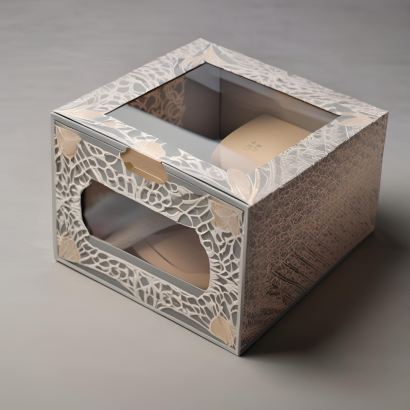
Across Philadelphia’s DTC categories — food, beauty, specialty products, subscription boxes — the custom mailer box is the dominant format for one reason: it handles both use cases that Philadelphia’s climate creates. Self-locking construction survives winter freeze-thaw without tape failure. The closed, six-panel design provides enough of a moisture barrier for summer humidity exposure during transit and stoop delivery. And the interior print surface works for the strong unboxing experience that Philadelphia’s design-literate consumer base in Fishtown and Center City expects.
Most Philadelphia DTC operations run a primary mailer box in one or two sizes for their core SKUs, with a heavier corrugated RSC shipper for bulk orders or heavy products. The mailer box handles the brand experience. The RSC shipper handles the structural load. They’re not the same box and shouldn’t be designed as if they are.
Getting the Spec Right for Pennsylvania Shipping
Across the Philadelphia metro and Pennsylvania broadly, these are the decisions that matter most:
Self-locking construction for winter. Freeze-thaw cycles from November through March make tape-dependent RSC shippers unreliable for Philadelphia delivery. Auto-lock and tuck-top mailer construction removes the adhesive failure point.
Moisture-resistant board for summer. Philadelphia’s July and August humidity hits the range where unconditioned corrugated loses meaningful stacking strength. For heavy products or high-value items, moisture-resistant sizing is the right summer spec.
Food-safe board for any consumable product. Non-negotiable for food, beverage, and supplement brands. Ask for it explicitly — it’s not the default on standard corrugated orders.
Recyclable materials where brand-appropriate. Philadelphia’s sustainability expectations vary significantly by neighborhood and category. Fishtown and Northern Liberties brands benefit from recycled content and FSC certification as a brand signal. Center City and Main Line brands care more about finish quality than sustainability certification. Match the spec to your actual customer base.
The packaging mistakes that derail the unboxing experience play out the same way in Philadelphia as anywhere else — but the dual-season climate means structural errors are more likely to surface here than in a single-season market like Phoenix or Seattle.
Why the I-95 Corridor Is an Underused Brand Advantage
Most Philadelphia brands think of the I-95 corridor as a logistics advantage — faster shipping, competitive rates, 1-day ground to NYC and DC. That’s correct. What fewer brands recognize is that the logistics advantage creates a packaging opportunity.
When customers in New York and DC are receiving 1-day ground deliveries from Philadelphia brands at the same speed they’d get from a major retailer, the comparison point shifts. They’re not comparing you to a slow regional brand. They’re comparing you to Amazon Prime. The packaging is where you differentiate — and a custom mailer box with thoughtful design, good construction, and a clean brand experience creates a memory that a Prime brown box doesn’t. Understanding what custom packaging actually costs versus the value it creates in a market where you’re already winning on delivery speed makes the investment case easy to model.
FAQ: Custom Packaging in Philadelphia, Pennsylvania
What packaging construction handles Philadelphia winters best?
Self-locking construction — tuck-top mailer boxes, auto-lock bottoms — removes the tape dependency that fails in freeze-thaw cycles. Philadelphia’s November-through-March temperature swings are hard on standard hot-melt tape adhesive. Self-locking corrugated doesn’t need tape and holds its form through repeated temperature changes.
Does Philadelphia humidity affect my packaging?
Yes, in summer. Philadelphia July-August humidity regularly hits 80%+, which degrades corrugated ECT stacking strength. For heavy products or anything stored in non-climate-controlled warehouse space in summer, moisture-resistant board sizing is the right spec. For standard-weight DTC products in controlled environments, standard board is typically fine.
Do I need food-safe board for my food or beverage brand?
Yes. Any corrugated that contacts or directly contains a consumable product requires food-safe board stock. FSC-certified kraft or SBS with food-safe coatings is standard. Ask for it explicitly — it’s not the default corrugated spec and won’t be included unless specified. This also affects FBA eligibility if you sell through Amazon.
What’s the minimum order for custom packaging in Philadelphia?
Digital printing runs start at 50–100 units with no plate setup costs — the practical range for early-stage Philadelphia brands testing formats. Offset printing makes economic sense at 500–1,000+ units. Given Philadelphia’s position in the I-95 corridor, domestic suppliers can deliver in 3–5 weeks, which makes the domestic digital route practical for iterating on design without long lead time risk.
Should Philadelphia DTC brands care about sustainability certification?
It depends on your customer base. Fishtown and Northern Liberties brands benefit meaningfully from FSC certification and recycled content as a brand signal — their customer base actively responds to it. Center City and Main Line brands’ customers care more about finish quality and construction quality than sustainability certification. Match the spec to your actual market segment rather than applying a blanket answer.
Does it matter if I fulfill from South Jersey vs. Philadelphia?
For packaging spec, no — the climate is the same. For logistics, it can affect carrier zone maps and specific rate schedules, but both locations give you the same I-95 corridor advantage for Northeast ground shipping. The packaging decisions don’t change based on which side of the Delaware you’re on.
What packaging format works for both DTC ecommerce and Philadelphia retail?
Retail-ready corrugated — boxes designed to function as both a shipper and a display/shelf unit — is the answer for brands crossing both channels. It typically uses lighter fluting than a dedicated shipper and requires print quality appropriate for retail display. Design for both use cases in the original brief, before you’ve committed to a production run of a single-purpose format.
Philadelphia Brands Have the Advantage — The Box Is How You Use It
The I-95 corridor puts Philadelphia DTC brands in one of the best domestic distribution positions in the country. The region’s diversity — artisan Fishtown brands, premium Main Line brands, Pennsylvania food and beverage producers, the NJ fulfillment belt — means there’s no single packaging answer that works for every brand in this market. But the principles hold: spec for both seasons, use self-locking construction, match your finish and sustainability choices to your actual customer rather than a general rule, and treat the packaging as the brand touchpoint it is rather than the logistics problem it isn’t.
Easy Box Packaging works with DTC brands across Pennsylvania and the Philadelphia metro area — from Fishtown food startups to Main Line specialty brands to Pennsylvania craft beverage producers. See our ecommerce packaging options to talk through what your specific product and customer base need.
For East Coast regional context, the New York packaging guide covers the specific pressures facing brands shipping into and out of NYC — dense urban delivery, premium consumer expectations, and sustainability requirements. And if you’re thinking about Midwest distribution from your Philadelphia base, the Ohio packaging guide covers what brands using Columbus as a central distribution hub need to know.